
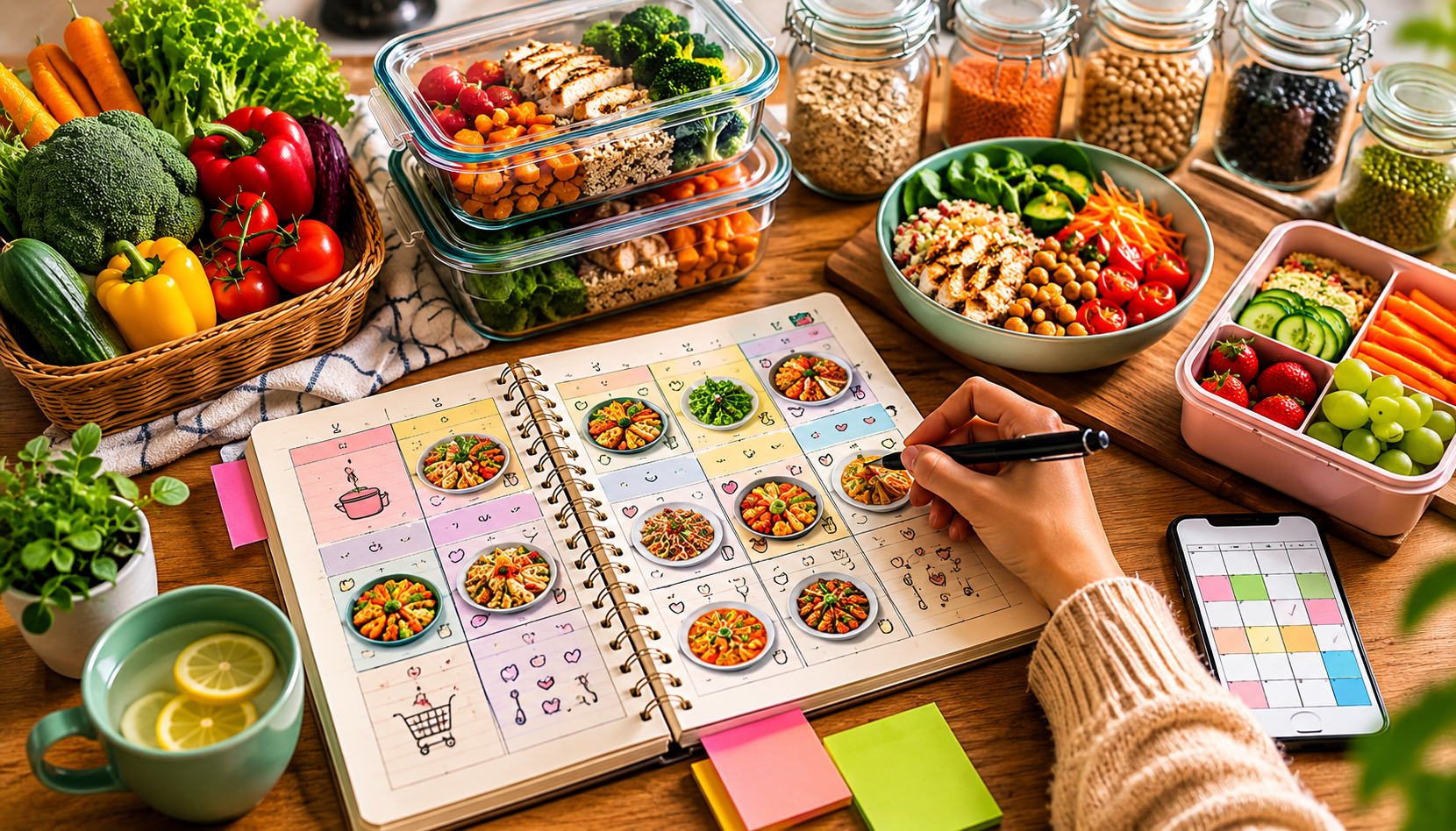
Weekly meal planning is one of those habits that can transform your life without feeling overwhelming. Over the years, I’ve experimented with countless strategies—from jotting down random dinner ideas to meticulously planning every snack—and I’ve learned that a little structure can save time, money, and stress. Meal planning isn’t just about cooking ahead; it’s about creating a system that simplifies daily life while keeping your meals nutritious, varied, and delicious. In this guide, I’ll walk you through a practical, step-by-step approach to weekly meal planning, drawing on real-life experiences and easy-to-apply tips.
Understanding the Benefits of Weekly Meal Planning
Meal planning goes far beyond saving time in the kitchen. When done right, it can help you:
- Save money: By planning meals, you buy only what you need, reducing food waste and unnecessary grocery runs.
- Eat healthier: Planning ensures a balanced diet with vegetables, proteins, and whole grains instead of last-minute processed options.
- Reduce stress: Knowing what’s for dinner each day removes the daily “what should I cook?” anxiety.
- Support weight or nutrition goals: Meal planning allows you to control portion sizes and maintain a structured diet.
For me, the most surprising benefit was how it encouraged creativity. Planning doesn’t mean rigid repetition—it allows me to experiment with new recipes while ensuring my staples are always available.
Step 1: Take Stock of What You Already Have
Before you start planning meals for the week, check your fridge, freezer, and pantry. You might be surprised by what’s already there.
- Check expiration dates: Use items nearing their expiration to reduce waste.
- Organize staples: Group similar ingredients together—grains, proteins, canned foods—so you can easily see what’s available.
- Note leftover ingredients: Partial veggies, sauces, or cooked proteins can be incorporated into meals rather than thrown away.
I usually spend 15 minutes on Sunday doing this. One week, I found a bag of frozen spinach that I had forgotten. By using it in a smoothie and a stir-fry, I avoided buying extra greens and saved money.
Step 2: Decide on Your Meal Planning Format
Meal planning can be flexible. Choose a format that suits your lifestyle.
- Digital planners: Apps like Notion, Google Keep, or dedicated meal planning apps allow you to drag and drop meals and share them with family.
- Paper planners or notebooks: Simple and tactile, perfect for those who enjoy writing by hand.
- Whiteboard or chalkboard: A weekly visual plan on the fridge can remind everyone in the household of meals.
I prefer a combination of a digital app and a small notebook. The app stores my master list of go-to recipes, while the notebook helps me visualize the week’s plan at a glance.
Step 3: Set Your Weekly Goals
Meal planning works best when you set clear goals. Ask yourself:
- How many meals will I cook at home versus eating out?
- Are there specific dietary goals or restrictions to consider?
- Do I want to batch cook for leftovers or prep only daily?
For instance, I aim to cook five dinners at home each week, leaving two nights flexible for leftovers or casual dining. Setting this goal prevents overbuying and keeps meals manageable.
Step 4: Choose Your Recipes
Selecting recipes is often the most fun part. Here’s how to make it practical:
- Mix new and familiar dishes: Include two or three new recipes each week to avoid monotony.
- Consider prep time: Balance quick meals with ones that require longer cooking, depending on your schedule.
- Include versatile ingredients: Recipes that share components reduce waste and simplify grocery shopping.
Example: One week, I planned a stir-fry with bell peppers, a pasta primavera, and a vegetable curry. By using bell peppers in both the stir-fry and curry, I avoided leftovers that might have gone bad.
Step 5: Plan Breakfasts, Lunches, and Snacks
Weekly meal planning isn’t just about dinner. Breakfasts, lunches, and snacks benefit from a little structure too:
- Breakfasts: Overnight oats, smoothie packs, or egg muffins can be prepped in advance.
- Lunches: Salads in mason jars, grain bowls, or sandwiches with pre-chopped veggies save time.
- Snacks: Portion nuts, fruit, or yogurt for quick access.
I prep smoothie packs on Sunday with frozen fruits and spinach. On busy mornings, I just blend with almond milk for a nutrient-packed breakfast.
Step 6: Make Your Grocery List
Once your meals are set, create a grocery list organized by sections of the store. This speeds up shopping and ensures nothing is missed.
- Group by category: produce, dairy, proteins, pantry staples, and frozen foods.
- Check quantities: Account for portions and number of servings needed.
- Add household essentials: Don’t forget items like olive oil, spices, or condiments that support multiple meals.
I always review my pantry before shopping. If I already have canned tomatoes, I remove them from the list, avoiding overbuying.
Step 7: Prep Ingredients in Advance
Prepping ingredients before the week begins makes cooking faster and more enjoyable.
- Wash and chop vegetables. Store them in airtight containers in the fridge.
- Cook grains and proteins: Pre-cook rice, quinoa, or chicken for effortless use during the week.
- Portion snacks: Divide nuts, cheese, or fruits into ready-to-eat portions.
I found that spending one hour on Sunday prepping ingredients reduced my cooking time to 20–30 minutes for most dinners during the week.
Step 8: Store Meals and Ingredients Properly
Proper storage keeps ingredients fresh longer:
- Fridge: Store leafy greens in paper towel-lined containers, dairy on the top shelves, and meat in sealed containers at the bottom.
- Freezer: Portion meals in airtight containers for effortless thawing.
- Pantry: Keep dry goods like grains, pasta, and spices in airtight containers in a cool, dark place.
For example, I freeze leftover chili in single-serve portions. It lasts up to three months and can be reheated quickly for a busy weeknight.
Step 9: Create a Daily Meal Routine
Having a daily routine simplifies mealtime:
- Check the plan in the morning: Decide if any adjustments are needed based on schedule changes.
- Prep while cooking: Wash dishes or chop ingredients for tomorrow while dinner cooks.
- Use leftovers wisely: Incorporate them into lunches or new meals to minimize waste.
I often repurpose roasted chicken into a salad or wrap the next day, saving time and keeping meals exciting.
Step 10: Reflect and Adjust Each Week
Meal planning is a learning process. Each week, review what worked and what didn’t:
- Did any ingredients go unused?
- Were meals too time-consuming?
- Did the plan align with your lifestyle and dietary goals?
I keep a small notebook to jot down reflections. One week, I realized two meals were too complex for weeknights, so I swapped them with quicker options the following week. Small adjustments like these improve consistency and reduce stress.
Practical Tips for Success
To make weekly meal planning sustainable, consider these practical tips:
- Theme nights: Assigning themes (Meatless Monday, Taco Tuesday) simplifies decision-making.
- Double recipes: Cook extra servings to freeze or repurpose later.
- Flexible swaps: Keep backup pantry staples for unexpected schedule changes.
- Involve the family: Let everyone choose a meal each week to increase engagement.
I use theme nights to keep planning fun. For example, “Stir-Fry Friday” is a quick and adaptable meal that satisfies different tastes in my household.
Conclusion
Weekly meal planning transforms chaotic mealtimes into organized, stress-free routines. By taking stock of your ingredients, selecting recipes thoughtfully, prepping in advance, and storing meals correctly, you can save time, reduce waste, and enjoy healthier, more satisfying meals. The key is consistency and reflection: small tweaks each week lead to big improvements over time. With the step-by-step approach outlined above, meal planning becomes less of a chore and more of a lifestyle that supports both convenience and nutrition.
FAQs
1. How far in advance should I plan my meals?
Plan one week at a time. This ensures the freshness of ingredients while allowing flexibility for schedule changes or cravings.
2. Can meal planning save money?
Yes. By buying only what you need and reducing food waste, weekly meal planning can significantly lower your grocery bills.
3. How do I avoid getting bored with meals?
Include a mix of familiar favorites and new recipes. Rotate ingredients creatively and use theme nights to keep meals exciting.
4. What if my schedule changes unexpectedly?
Keep versatile ingredients and simple meals on hand. You can swap meals or use leftovers to adapt without stress.
5. How much time should I spend prepping meals each week?
Spending 1–2 hours prepping ingredients and cooking some meals in advance is usually sufficient. The time saved during the week more than makes up for it.

Arman Haleem is a passionate food content writer dedicated to simplifying everyday cooking. With a focus on practical recipes, budget-friendly meals, and time-saving kitchen strategies, Arman creates content that fits real-life routines. His approach centers on making healthy eating more accessible without adding complexity. Through Recipe Harbor, he aims to help readers build sustainable cooking habits and feel more confident in the kitchen, regardless of their experience level.