When money is tight, cooking can feel overwhelming. The fear of spending too much on groceries often leads to takeout or skipping meals, which is both expensive and less satisfying. Over time, I have discovered that keeping a well-stocked pantry and learning to cook pantry-based meals can make a huge difference. These meals are affordable, convenient, and surprisingly tasty. They help me eat well, save money, and reduce stress during financially challenging times.
Understanding the Importance of a Stocked Pantry
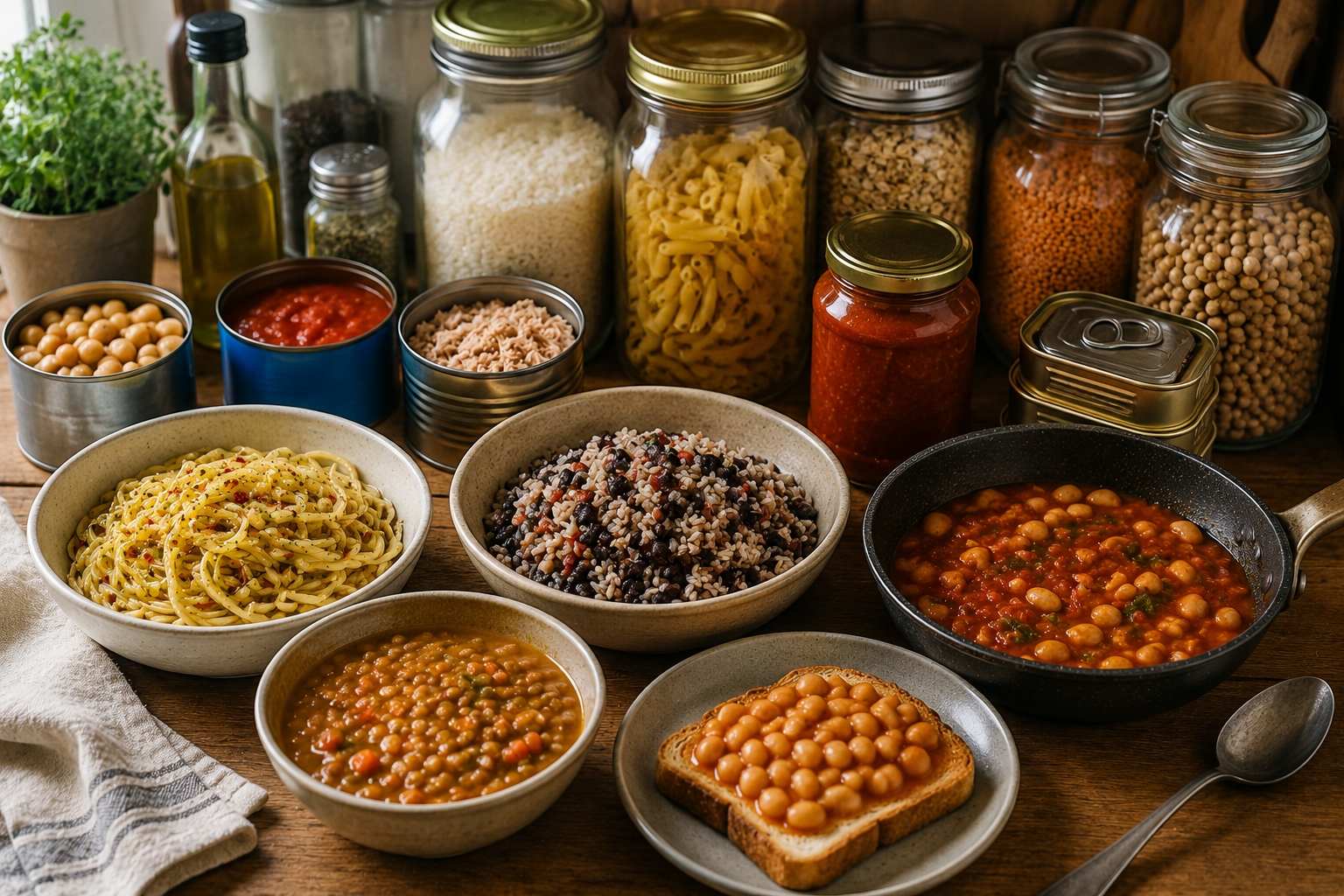
A well-stocked pantry is the foundation of budget-friendly cooking. Having staple ingredients on hand allows me to create meals without rushing to the store or spending extra money. I focus on versatile ingredients that can be used in multiple recipes. Items like rice, pasta, canned beans, canned tomatoes, lentils, and frozen vegetables are inexpensive, store well, and form the base of countless meals. A stocked pantry reduces food waste because I can use what I have rather than buying new ingredients each time I cook.
Planning Pantry-Based Meals
Even with a stocked pantry, meal planning is essential to avoid overspending. I start by taking inventory of what I already have and then plan meals around those ingredients. This approach ensures that nothing goes to waste and keeps my grocery trips minimal. I often combine pantry staples with fresh ingredients that are on sale, which adds variety without increasing costs. Planning pantry-based meals in advance also helps me stay organised and reduces the temptation to spend money on convenience foods or takeout.
Creating Filling Meals with Simple Ingredients
One of the biggest challenges when money is tight is making meals feel satisfying. Pantry-based meals can be just as filling and flavourful as those made with fresh or expensive ingredients. I rely on grains like rice, quinoa, and oats as a base. Adding canned beans or lentils provides protein, while canned vegetables or frozen greens contribute fibre and nutrients. Even simple additions like garlic, onions, or spices can turn a basic dish into something delicious. By focusing on texture and seasoning, I can make meals feel complete without spending a lot.
Budget-Friendly Breakfasts from the Pantry
Pantry-based breakfasts are both simple and economical. Oatmeal is a go-to option because it is inexpensive, filling, and highly versatile. I often add canned or frozen fruits, a spoonful of peanut butter, or a sprinkle of cinnamon for flavour. Rice or pasta leftovers can also be transformed into savoury breakfasts by adding eggs or beans, creating a filling and affordable start to the day. With pantry-friendly ingredients, breakfast becomes stress-free, nourishing, and cost-effective.
Quick Lunches Using Pantry Staples
Lunch can easily become expensive if I rely on convenience meals. Pantry-based lunches are quick, easy, and affordable. I often make soups using canned tomatoes, beans, and frozen vegetables. Pasta salads with grains, canned tuna, and a simple dressing are another favourite. Stir-fries using rice, frozen vegetables, and a pantry-based sauce are both filling and budget-friendly. By keeping pantry staples ready, I can prepare lunch in minutes without spending much money or compromising on taste.
Dinner Ideas That Stretch Ingredients
Dinner is usually the meal that feels most challenging when money is tight. Pantry-based dinners, however, can be both creative and satisfying. One of my favourite strategies is making one-pot meals that combine grains, legumes, and spices. Chilli made from canned beans and tomatoes, vegetable curry with lentils, and pasta dishes with canned vegetables are examples of affordable yet tasty options. These meals are easy to prepare, stretch ingredients further, and can provide leftovers for future meals.
Using Canned and Frozen Foods Wisely
Canned and frozen foods are often seen as less desirable than fresh ingredients, but they are perfect for budget cooking. Canned beans, tomatoes, and vegetables retain flavour and nutrients while being inexpensive. Frozen vegetables are convenient, reduce waste, and allow me to cook meals quickly. I also use canned fish like tuna or sardines to add protein without the cost of fresh fish. By incorporating these pantry-friendly items, I can create meals that are both delicious and affordable.
Making Flavorful Meals Without Spending More
Even simple pantry ingredients can be transformed into flavourful meals. I rely on herbs, spices, and condiments to enhance taste. Garlic, onions, chilli flakes, cumin, paprika, and dried herbs are inexpensive ways to boost flavour. A splash of vinegar or lemon juice can also add depth to a dish. By learning to balance flavours and seasonings, I can make basic pantry-based meals feel gourmet without spending more money. This approach ensures that cooking on a tight budget is enjoyable rather than restrictive.
Stretching Ingredients Through Meal Prep
Meal prepping is another strategy I use to maximise pantry ingredients. Cooking large batches of rice, beans, or pasta at once allows me to mix and match for different meals throughout the week. Leftover vegetables or proteins can be repurposed into soups, stir-fries, or casseroles. Meal prepping reduces food waste, saves time, and ensures that I always have budget-friendly meals ready to eat. With a little planning, I can make my pantry work harder and my money go further.
Combining Pantry Ingredients With Sales Items
I often combine pantry staples with fresh items on sale to create balanced meals. For example, a sale on chicken or vegetables can be paired with rice, pasta, or beans from my pantry. This approach allows me to enjoy a variety of meals without overspending. Shopping for discounted produce or proteins and integrating them with pantry ingredients stretches both the budget and the ingredients. This strategy is particularly useful when money is tight, but I still want meals to feel fresh and satisfying.
Reducing Food Waste Through Pantry Meals
Using pantry-based meals effectively also helps reduce food waste. When money is tight, wasting food is like throwing money away. I prioritise using ingredients before they expire, and I often repurpose leftovers into new dishes. Stale bread can become croutons, overripe vegetables can be turned into soups, and extra grains can be added to salads or casseroles. By thinking creatively and being resourceful, I make the most of every ingredient while saving money.
Learning to Cook Creatively on a Budget
Cooking with pantry staples encourages creativity. I experiment with spices, flavour combinations, and different cooking methods to keep meals interesting. A can of beans can become chilli, bean burgers, or a hearty soup depending on how I prepare it. Pasta can be transformed with a variety of sauces, vegetables, or proteins. Learning to cook creatively ensures that pantry-based meals never feel boring and that I can maintain a budget without sacrificing taste.
Keeping a Pantry Organized
Organisation is key to making pantry-based meals work. I keep ingredients visible and easily accessible, grouping similar items together. This prevents overbuying, reduces waste, and makes meal preparation faster. I label containers, rotate stock based on expiration dates, and regularly check what I have. A well-organised pantry makes it easier to plan meals, combine ingredients effectively, and stick to a budget even when money is tight.
Building a Sustainable Pantry Habit
Over time, keeping a well-stocked pantry has become a sustainable habit. I make shopping lists, plan meals, and prioritise ingredients that last long and are versatile. This habit reduces stress when money is limited and ensures I always have the ingredients to make affordable, satisfying meals. By maintaining a thoughtful and organised pantry, I can rely on budget-friendly meals without compromising on quality or taste.
Conclusion
Cooking meals when money is tight doesn’t have to be stressful or limiting. By relying on pantry staples, planning meals, using affordable ingredients creatively, and reducing food waste, it is possible to enjoy delicious, filling meals without overspending. Canned and frozen foods, grains, beans, and spices can be combined in countless ways to create breakfasts, lunches, dinners, and snacks. With a well-organised pantry and some simple strategies, anyone can cook good food, save money, and make mealtime enjoyable even during financially challenging times. Pantry-based meals are not just about stretching a budget—they are about building a foundation for sustainable, affordable, and satisfying home cooking.
FAQs
1. What are some essential pantry items to keep for budget meals?
Essential pantry items include rice, pasta, oats, beans, lentils, canned tomatoes, canned vegetables, canned fish, and basic spices. These items are versatile and affordable and can form the base for many meals.
2. How can I make pantry-based meals taste delicious?
Using herbs, spices, garlic, onions, citrus, and condiments can elevate the flavour of simple ingredients. Learning to balance flavours and experiment with seasoning helps make pantry meals more enjoyable.
3. Are pantry-based meals healthy?
Yes, pantry-based meals can be healthy if you combine grains, legumes, vegetables, and protein sources. Frozen vegetables and canned beans are nutrient-rich, and careful seasoning avoids excess salt or sugar.
4. Can I avoid food waste while relying on pantry staples?
Absolutely. Using leftovers creatively, repurposing ingredients, and organising your pantry ensures that nothing goes to waste. Stale bread, extra grains, and overripe vegetables can all be transformed into new meals.
5. Is it possible to feed a family on pantry-based meals?
Yes. By planning meals, stretching ingredients, and incorporating affordable proteins and grains, pantry-based meals can satisfy a family without overspending. Batch cooking and using versatile ingredients make this approach practical for households of all sizes.

Arman Haleem is a passionate food content writer dedicated to simplifying everyday cooking. With a focus on practical recipes, budget-friendly meals, and time-saving kitchen strategies, Arman creates content that fits real-life routines. His approach centers on making healthy eating more accessible without adding complexity. Through Recipe Harbor, he aims to help readers build sustainable cooking habits and feel more confident in the kitchen, regardless of their experience level.