
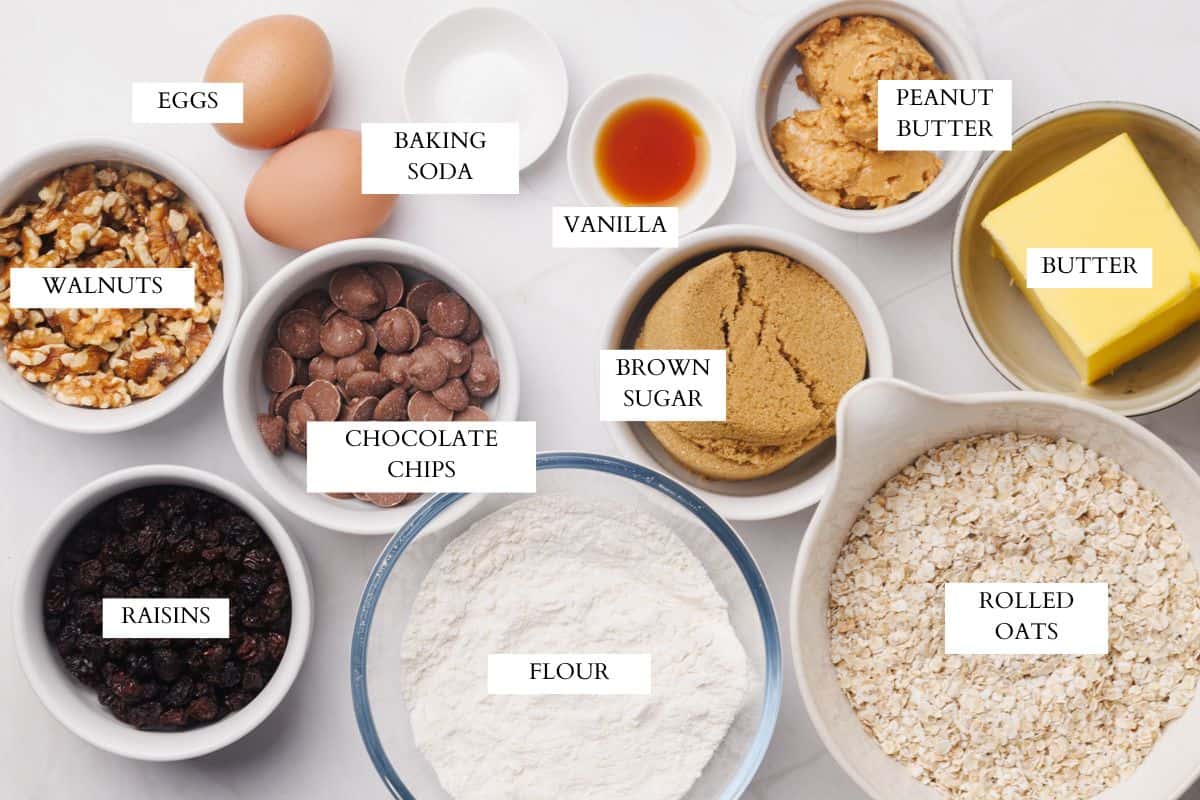
When choosing ingredients for cooking, simply filling your fridge and pantry is not enough. It influences the flavour of your food, the ease of cooking, and your confidence in the kitchen. Although many people believe that cooking begins with recipes, it actually starts with selecting the right ingredients.
High-quality ingredients make home cooking easier. Simple dishes taste better, are easier to prepare, and require fewer seasonings and steps. Poor-quality ingredients, however, can ruin even the best recipes. Choosing ingredients more wisely does not mean you have to spend more money or buy expensive kitchen tools. It requires awareness, observation, and care. Whether you cook daily main courses for your family or prepare quick meals for yourself, mastering this skill will significantly enhance your home cooking experience.
The Meaning of “High-Quality Ingredients” at Home
There is often a misconception regarding what “high-quality ingredients” actually entails. Many people assume it refers to expensive imported or organic products. However, high-quality ingredients actually refer to fresh, top-grade products that have been carefully stored or processed prior to use. High-quality ingredients ensure reliable cooking results. Examples include fresh vegetables that retain their vibrant colour and firmness, dried grains, and aromatic herbs. Sometimes, subtle differences matter more than brand names.
Another factor to consider is the suitability of the ingredients. High-quality ingredients may not always be the right fit for your specific cooking style. Some varieties of rice are better suited for light, fluffy dishes, while others are better suited for stickier preparations. Understanding these nuances helps you make informed choices and avoid confusion. Focusing on quality rather than blindly following claims makes grocery shopping easier and more purposeful.
Reading Labels
Supermarket shelves are packed with a dizzying array of products—all claiming to be “natural”, “pure”, or “premium”—making it difficult to choose. This is where reading labels becomes crucial. Instead of struggling to decipher every single ingredient, start with a few basic points. First, check the ingredients list. A concise and clear list makes it easy to understand exactly what goes into the product you are buying. Long and complicated lists sometimes contain unnecessary additives or fillers.
Second, check the order of the ingredients. Typically, the ingredients listed first make up the largest portion of the product. This helps you understand exactly what you are consuming. Also, check the packaging and the expiration date. Freshness affects both taste and quality, particularly with dairy products, herbs, and packaged foods. Reading labels will gradually become a habit. By avoiding the influence of marketing hype, you can focus on the kitchen essentials that truly matter.
Smartly Choosing Fresh vs. Packaged Ingredients
One of the most frequently asked questions when cooking at home is, ‘Are fresh ingredients always better than packaged ones?’ In reality, both are essential components of a smart kitchen. Vegetables, fruits, herbs, and meat offer superior flavour and texture when fresh. Fresh ingredients are ideal for dishes that highlight natural flavours. However, the speed at which you store and use ingredients can have a significant impact on their freshness. Packaged ingredients offer the advantages of convenience and a longer shelf life.
On busy days, frozen vegetables, canned beans, and ready-made sauces can save time without compromising on quality. The key is balance. Savvy home cooks use a variety of ingredients, combining them flexibly as needed. Fresh vegetables, for instance, can be used for main courses, while frozen vegetables can be a lifesaver when time is short. This balanced approach reduces food waste, saves time, and adds flexibility to dishes without sacrificing flavour or nutritional value.
Create a Reliable Pantry for Everyday Cooking
A tidy pantry is essential for home cooking. When staple items are readily available, you can spend less time on preparation and more time on the cooking itself. Rice, lentils, cooking oil, salt, sugar, flour, and a selection of spices are indispensable in the kitchen. With these basic ingredients, you can prepare a variety of dishes without having to go grocery shopping frequently.
Keep only the ingredients you truly need—not everything. This not only reduces waste but also makes the kitchen more organised. It also aids in organising your pantry, allowing you to access ingredients quickly and easily. Clearly visible and well-organised ingredients are easier to keep track of and can be used before they pass their expiration date. Over time, your pantry will come to reflect your cooking habits, making your kitchen more efficient and less stressful.
Avoid Common Grocery Shopping Mistakes
Even experienced home cooks make mistakes. Unplanned grocery shopping is a common occurrence. Shopping without a plan often leads to purchasing unnecessary items or overlooking essential ingredients. Ignoring seasonality is another common error. Seasonal ingredients are fresher, tastier, and more affordable. Incorporating seasonal ingredients can elevate your culinary skills.
Many consumers prioritise brand names over quality. While established brands often offer consistent quality, they may not always perfectly align with your specific needs. Impulse purchases are another major pitfall. Even if a product isn’t essential, attractive packaging or promotional discounts can sway your purchasing decisions. Therefore, pay attention to your cooking habits and avoid impulsive purchases. By recognising these common mistakes, you can shop for groceries more efficiently and with better planning.
Smart and Affordable Ingredients
Eating healthy at home doesn’t have to be expensive. Some high-quality ingredients are actually quite affordable. Knowing how to save money is crucial. Lentils, grains, oats, and seasonal vegetables are inexpensive, versatile, and cost-effective, making them suitable for a wide range of recipes. With these basic ingredients, you can prepare fresh and delicious meals for a lower price than ready-made meals.
It is also wise to buy frequently used ingredients in bulk. This lowers the unit price and ensures that you always have essential products on hand. However, avoid buying excessive amounts of perishable items to prevent them from losing their freshness. Fresh herbs, onions, garlic, and basic spices can enhance the flavour of dishes without driving up the cost. These simple adjustments can breathe new life into your cooking without the need for expensive ingredients. Saving money on cooking requires creativity and mindfulness—not deprivation.
Conclusion
Choosing better ingredients for your family doesn’t require complicated rules or expensive products. The key lies in mindfulness, making deliberate choices, and understanding the impact each ingredient has on your cooking.
The way you cook changes when you prioritise freshness, confidently read food labels, and maintain a well-balanced pantry. Cooking becomes more enjoyable, grocery shopping becomes easier, and you gain greater control over your daily meals. Most importantly, this approach reduces waste, saves money, and improves the quality of your daily meals—all without adding extra stress. A few simple choices regarding ingredients can transform your daily life.
FAQs
1. How can I choose better ingredients for my family?
The first step is to gain insight into the dishes you prepare and the ingredients you need. Create a meal plan and a grocery list to avoid impulse purchases.
2. Are fresh ingredients always better than packaged products?
Not necessarily. While fresh ingredients generally taste the best, packaged or frozen products are convenient, quick, and have a longer shelf life. For most families, a combination of both works best.
3. How can you identify high-quality ingredients?
Pay attention to freshness, colour, texture, aroma, and the packaging date. Reading the ingredient list on packaged foods helps in determining quality.
4. How can you save money on groceries?
Avoid impulse purchases, make a grocery list, and focus on essential items. Buying seasonal ingredients and those that are easy to prepare saves money and reduces waste.
5. Can choosing the right ingredients improve the flavour of dishes?
Absolutely. Fresher, higher-quality ingredients can enhance the flavour of dishes without the need for excessive spices or complex cooking methods.

Arman Haleem is a passionate food content writer dedicated to simplifying everyday cooking. With a focus on practical recipes, budget-friendly meals, and time-saving kitchen strategies, Arman creates content that fits real-life routines. His approach centers on making healthy eating more accessible without adding complexity. Through Recipe Harbor, he aims to help readers build sustainable cooking habits and feel more confident in the kitchen, regardless of their experience level.