
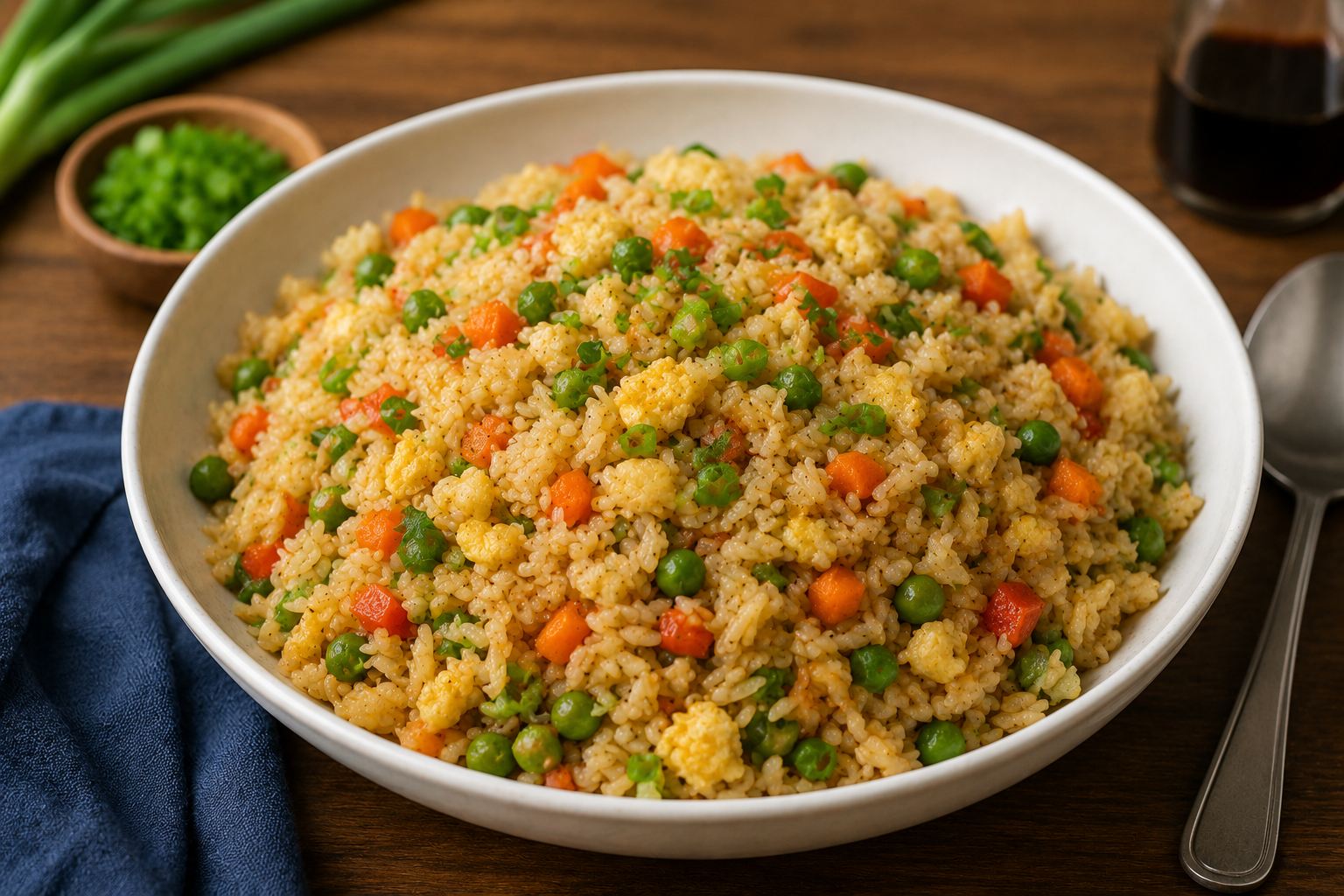
The best way to make fried rice with vegetables is by using leftover cold rice, preferably from the previous day. This ensures the rice heats up evenly and doesn’t become mushy. Stir-fry your favourite colourful vegetables, add an egg, add the beaten cold rice, and finally drizzle with soy sauce. In just 15 minutes, you have a quick, easy, and delicious dish that you can customise to your taste.
You don’t have to spend hours preparing ingredients or mastering complicated cooking techniques to quickly prepare a delicious homemade meal. Fried rice with vegetables is the best way to transform simple leftover rice and colourful vegetables into a satisfying meal. It is quick to prepare, versatile, and suitable for lunch or dinner any day.
Since you can easily make restaurant-quality food on your stove using basic kitchen ingredients, why order takeout? With a few simple cooking techniques, such as controlling the temperature and moisture level in your pan, you can make perfectly cooked rice every time.
Why Leftover Rice is the Best Choice for Fried Rice
The key to a restaurant-worthy taste is using cold rice that you left overnight. Freshly ground rice grains contain too much moisture; when placed in a hot pan with oil, they quickly turn into a sticky mass.
- Drier texture, easier to handle.
- Fries more evenly in the pan.
- Absorbs seasonings better and retains the structure of the grains.
- The grains separate more easily.
It does not quickly become gelatinous when liquid seasonings, such as soy sauce, are added.
Ingredients You Will Need
Building a great vegetable fried rice requires a balance of aromatics, staple vegetables, and savoury seasonings.
Main Ingredients
- Cooked leftover rice (chilled overnight)
- Carrots (finely diced)
- Peas (frozen or fresh)
- Onion (finely chopped)
- Garlic (minced)
- Soy sauce
- Cooking oil (canola or vegetable)
- Eggs
Optional Additions
- Green onions
- Bell peppers
- Mushrooms
- Chili flakes
- Sesame oil
- Shredded chicken
Best Vegetables for Fried Rice
You can clear out your produce drawer effectively by choosing the right combination of vegetables based on their cooking times.
Fast-Cooking Vegetables
Ingredients like peas, corn, and green onions require almost no time in the pan. You should add these near the very end of the cooking process so they retain their bright colours and fresh textures.
Crunchy Vegetables
Carrots, bell peppers, and cabbage provide excellent textural contrast. Dice them evenly and add them early in the cooking process so they soften slightly while retaining a satisfying bite.
Softer Vegetable Options
Moisture-heavy vegetables like mushrooms, spinach, and zucchini break down quickly. Cook these over high heat to evaporate their excess water before you introduce the cold rice to the skillet.
Kitchen Tools Needed
- Large frying pan or wok
- Spatula (preferably heat-resistant silicone or wood)
- Chef’s knife
- Cutting board
- Small mixing bowl for eggs
Preparing the Rice Properly
Preparation dictates the final texture of your dish. Do not skip these crucial handling steps.
- Break apart cold rice gently using wet hands or a wooden spoon.
- Remove large clumps before cooking to ensure even heat distribution.
- Let the rice sit at room temperature for a brief time if it is extremely cold or frozen solid.
- Prepare all vegetables and sauces completely before heating the pan.
Step-by-Step Cooking Instructions
Efficiency is vital when making fried rice. Keep your heat high and your ingredients within arm’s reach.
Cooking the Eggs
- Heat a small amount of oil in your pan over medium-high heat.
- Scramble the eggs lightly until just set.
- Remove the cooked eggs immediately and set them aside on a plate.
Cooking the Vegetables
- Add a bit more oil, then add the onions and garlic first to build an aromatic base.
- Cook harder vegetables (like carrots) before adding softer ones.
- Stir frequently for even cooking and to prevent the garlic from burning.
Frying the Rice
- Add the prepared leftover rice directly to the hot pan.
- Break apart any remaining clumps with the edge of your spatula.
- Stir fry the grains until they are heated evenly and slightly toasted.
- Add soy sauce gradually, pouring it around the edges of the pan rather than directly on the rice to create a caramelised flavour.
Combining Everything
- Return the cooked eggs to the pan.
- Mix the vegetables evenly through the seasoned rice.
- Taste the dish and adjust the seasoning with extra soy sauce or a dash of sesame oil if necessary.
Common Fried Rice Mistakes to Avoid
- Using freshly cooked, steaming hot rice
- Overcrowding the pan, which steams the ingredients instead of frying them
- Adding too much soy sauce and making the dish soggy
- Cooking on low heat instead of utilizing medium-high to high heat
- Skipping ingredient preparation and scrambling to chop vegetables while cooking
- Stirring constantly without letting the rice sit to develop a slightly browned crust
Easy Flavor Variations
You can easily adapt this foundational recipe to suit different cravings and dietary preferences.
Spicy Fried Rice Version
Fold in a tablespoon of chilli crisp, sriracha, or a handful of crushed red pepper flakes during the final minute of cooking for a robust, fiery kick.
Garlic Butter Fried Rice
Melt two tablespoons of unsalted butter into the centre of the pan right before serving, mixed with an extra clove of minced raw garlic for a rich, steakhouse-style finish.
High-Protein Fried Rice
Toss in cooked, diced chicken breast, firm tofu cubes, or extra scrambled eggs to transform this side dish into a heavy, protein-packed main course.
Vegan Fried Rice Option
Omit the eggs entirely and substitute traditional soy sauce with tamari or coconut aminos. Use a dash of turmeric to replicate the yellow colour usually provided by the eggs.
What to Serve with Vegetable Fried Rice
- Grilled chicken or beef skewers
- Egg drop or hot and sour soup
- Stir-fried vegetables in garlic sauce
- Steamed or pan-fried dumplings
- Crispy fried eggs with runny yolks
Storage and Reheating Tips
Proper storage ensures your leftover fried rice remains safe to eat and delicious the next day.
Refrigerating Leftovers
Allow the fried rice to cool completely at room temperature, then transfer it to an airtight container. Store it in the refrigerator for up to four days.
Reheating in a Pan
Place the cold rice in a skillet over medium heat with a splash of water or oil. Stir frequently until heated through. This method restores the original crispy texture and avoids sogginess.
Microwave Reheating Tips
Place the rice in a microwave-safe bowl and drape a damp paper towel over the top. Microwave in 60-second intervals, stirring in between, to steam the grains gently without drying them out.
Frequently Asked Questions
Can I use freshly cooked rice?
If you want to use fresh rice, spread it thinly on a large baking sheet and freeze it for 30 minutes. This allows the rice grains to cool down quickly and the moisture on the surface to evaporate, making the texture similar to that of leftover rice.
Which type of rice is best for fried rice?
The best choice is long-grain rice, such as jasmine rice or regular white rice. These contain less starch than short-grain rice, making the grains easier to separate during frying.
How do I prevent fried rice from becoming mushy?
Pay attention to the amount of moist ingredients. Add soy sauce in small amounts, in multiple portions, and ensure the pan is hot enough to allow the moisture to evaporate quickly. Furthermore, do not add too many ingredients at once.
Can fried rice with vegetables be frozen?
Yes, fried rice with vegetables can be frozen in a freezer container for up to 3 months. Please note that vegetables with a high water content (such as zucchini) may change in texture and become slightly softer after thawing.

Arman Haleem is a passionate food content writer dedicated to simplifying everyday cooking. With a focus on practical recipes, budget-friendly meals, and time-saving kitchen strategies, Arman creates content that fits real-life routines. His approach centers on making healthy eating more accessible without adding complexity. Through Recipe Harbor, he aims to help readers build sustainable cooking habits and feel more confident in the kitchen, regardless of their experience level.