
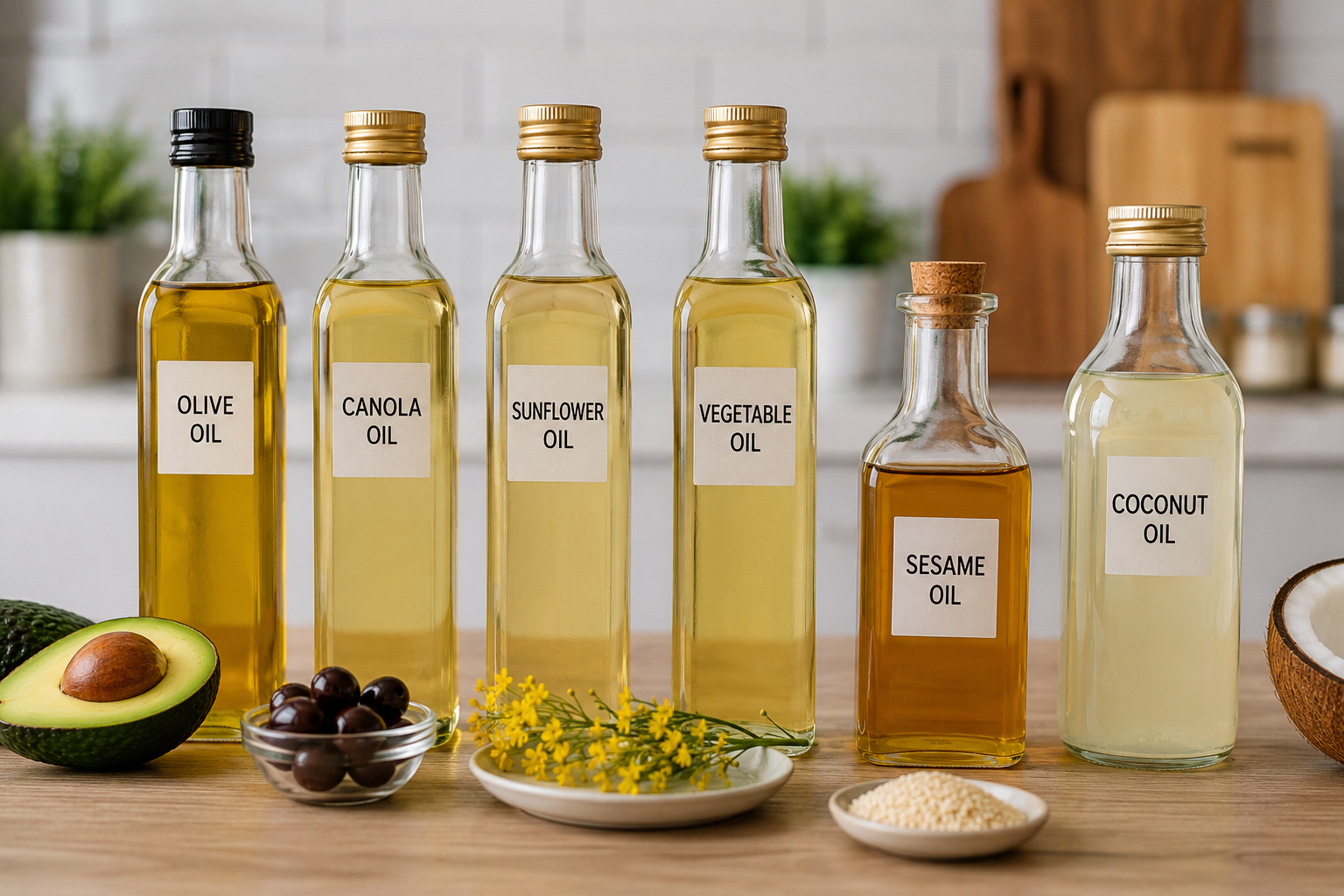
Choosing the right cooking oil depends on your cooking style and the desired flavor. For baking and frying, use mild oils with a high smoke point, such as canola oil or avocado oil. For salad dressings and adding flavor to dishes, use oils with a lower smoke point, such as sesame oil or extra virgin olive oil. Store cooking oil in a cool, dark place to preserve its freshness.
You will find a wide range of cooking oils in the baking section of a supermarket. Many home cooks do not know which bottle to buy, because each oil has different instructions for use. You might wonder if you need six different oils, or if one is sufficient.
Once you choose the right cooking oil, your cooking style will change drastically. Different oils react very differently to heating, which affects the texture and overall taste of the food. The oils needed for mild salad dressings and high-temperature stir-fries are completely different.
If you understand the basics of cooking oils, cooking becomes a lot easier. You will then know exactly which oil is best for frying meat, baking cakes, or stir-frying vegetables. This guide provides a detailed overview of common cooking oils found in the home, with explanations of the differences and optimal operating temperatures, making it easier for you to prepare your daily meals.
Why do different cooking oils matter in everyday cooking?
The oil you pour into your pan does much more than keep food from sticking. Choosing the correct cooking oil influences the success of your recipe in several specific ways:
- Oils affect flavor: Some oils taste like the plants they come from, while others remain completely neutral.
- Different oils handle heat differently: Certain oils break down and burn at high temperatures, while others remain stable.
- Texture changes depending on oil choice: The right oil helps foods achieve a crispy exterior during roasting or frying.
- Some oils work better for frying: High-heat cooking requires highly refined oils.
- Other oils are better for dressings or baking: Uncooked applications rely on oils that taste pleasant straight from the bottle.
What does an oil’s smoke point mean for everyday cooking?
Every cooking oil has a specific temperature limit known as the smoke point. The smoke point is simply the exact temperature where the oil stops shimmering and starts visibly burning and smoking.
- A high smoke point means the oil can endure very hot temperatures without burning, making it ideal for frying or searing meat.
- A low smoke point indicates the oil burns quickly. These oils work best for gentle heating, salad dressings, or pouring over cooked meals as a garnish.
- Burning an oil past its smoke point destroys its flavor, leaving your food tasting bitter and burnt.
What are the most common cooking oils used at home?
Stocking your pantry requires understanding the most common oils available. Here is a breakdown of the standard cooking oils you will find in most grocery stores.
How should I use olive oil?
Olive oil is a staple in many home kitchens due to its rich, fruity flavor. Extra virgin olive oil works perfectly for salad dressings, dipping bread, and drizzling over finished dishes. Standard olive oil handles light sautéing and pan-frying well. Because of its distinct taste, olive oil heavily influences the flavor profile of Mediterranean and Italian recipes.
When is vegetable oil the best choice?
Vegetable oil is highly refined, giving it a completely neutral flavor and a high smoke point. Choose vegetable oil if you want the flavor of your ingredients to stand out without interference. It serves as a reliable, inexpensive option for deep-frying, pan-frying, and baking standard desserts like brownies or cakes.
What makes canola oil a versatile option?
Canola oil shares many similarities with vegetable oil, including a very light flavor and a high smoke point. Derived from the rapeseed plant, canola oil offers immense versatility for everyday cooking. You can confidently use canola oil for roasting vegetables at 400 degrees Fahrenheit, searing chicken breasts, or baking muffins.
When should I cook with coconut oil?
Coconut oil remains solid at room temperature and imparts a noticeable tropical flavor to food. Choose coconut oil when baking dairy-free desserts or preparing specific regional cuisines like South Asian curries. Because it has a moderate smoke point, you should avoid using coconut oil for heavy frying.
Why choose avocado oil for high-heat cooking?
Avocado oil boasts one of the highest smoke points available, reaching up to 520 degrees Fahrenheit. It also features a mild, buttery flavor that does not overpower other ingredients. Choose avocado oil if high heat matters more than cost, as it is perfect for searing steaks, stir-frying in a hot wok, or grilling vegetables.
How should I use sesame oil for flavor?
Sesame oil packs an incredibly strong, nutty flavor. Unlike standard cooking oils, you generally use toasted sesame oil in very small amounts as a finishing touch rather than a primary cooking fat. Drizzle a teaspoon of sesame oil over noodle bowls, stir-fries, or Asian-inspired marinades just before serving.
Which cooking oils are best for different cooking methods?
Matching your cooking method to the correct oil guarantees better results. Here are the most effective pairings for everyday meal preparation.
What are the best oils for frying food?
Frying requires oils that can sustain high temperatures for extended periods without smoking.
- Vegetable oil
- Canola oil
- Avocado oil
- Peanut oil
Which oils work best for baking desserts?
Baking relies on oils with neutral flavors that provide moisture without making the dessert taste savory.
- Vegetable oil
- Canola oil
- Coconut oil (for specific flavor profiles)
What are the best oils for making salad dressings?
Salad dressings require oils that taste pleasant and smooth straight from the bottle, as they are consumed raw.
- Extra virgin olive oil
- Avocado oil
- Toasted sesame oil (mixed with lighter oils)
How does the choice of oil change the flavor of a dish?
The flavor of your cooking oil dictates the underlying taste of your entire meal.
Why use neutral-flavored cooking oils?
Neutral oils like canola, vegetable, and grapeseed oil sit in the background of your dish. They provide the necessary fat to cook the food without adding any distinct taste. Use neutral oils when you want your spices, herbs, and primary ingredients to shine brightly.
When should you use stronger-flavored cooking oils?
Stronger-flavored oils like extra virgin olive oil, sesame oil, and unrefined coconut oil act as ingredients themselves. They add heavy, distinct notes to your food. Use these oils when their specific flavor naturally complements the recipe, such as using olive oil in pesto or coconut oil in a tropical smoothie.
What are common mistakes people make when using cooking oils?
Many home cooks unknowingly ruin their meals by mishandling their cooking oils. Avoid these frequent kitchen errors:
- Overheating oils past their smoke point, causing bitter flavors.
- Using too much oil, resulting in greasy, heavy meals.
- Storing oils directly next to the hot stove, which speeds up spoilage.
- Reusing frying oil excessively until it breaks down and smells rancid.
- Using strong oils like sesame or extra virgin olive oil in delicate baked goods.
- Ignoring smoke points entirely during high-heat wok cooking or deep-frying.
How should you store cooking oils at home?
Proper storage keeps your cooking oils tasting fresh and prevents them from spoiling prematurely.
What are the best storage conditions for cooking oils?
Heat, light, and oxygen degrade cooking oils rapidly. You should store all your cooking oils in a cool, dark place away from direct sunlight. A pantry shelf or a closed kitchen cabinet located away from the oven provides the ideal environment. Always ensure the cap is sealed tightly after each use.
What are the signs that a cooking oil has gone bad?
Cooking oils eventually go rancid. You can identify spoiled oil by smelling it before you cook. If the oil emits an unusual smell resembling crayons, old nuts, or putty, it has gone bad. Additionally, rancid oil may look darker than usual or have a sticky texture around the bottle cap. Discard any oil that exhibits these signs.
How can I save money when buying cooking oils?
You do not need to spend excessive money to stock a highly functional kitchen. Follow these budget-friendly tips:
- Buy oils according to your actual cooking habits. If you rarely deep-fry, do not buy massive gallon jugs of vegetable oil.
- Avoid buying large amounts of specialty oils unnecessarily, as they may spoil before you finish them.
- Use stronger, expensive oils (like toasted sesame oil) in very small quantities to make the bottle last longer.
- Keep one affordable, neutral oil (like canola or vegetable) on hand for versatile, everyday cooking.
Frequently Asked Questions about Cooking Oils
Which oil is best to use for daily cooking?
Neutral oils with a medium or high smoke point are the best choice for daily cooking. Rapeseed oil and light olive oil are both excellent for cooking, baking, and frying. If you want a milder flavor, choose rapeseed oil; if you want a richer flavor, choose light olive oil.
Can olive oil be used for frying?
Regular refined olive oil has a low smoke point, so it can be used for frying. However, extra virgin olive oil is not suitable for frying or for frying large quantities. Extra virgin olive oil burns at lower temperatures, causing the delicate flavor to be lost and filling the kitchen with an unpleasant odor.
Why do some oils have a richer flavor?
Depending on the processing method, some oils retain the flavor of their components. Extra virgin olive oil, roasted sesame oil, and other “cold-pressed” or unrefined oils undergo minimal processing, allowing them to retain their natural flavor. Vegetable oils and rapeseed oil are heavily processed. To improve their heat resistance, they undergo a filtration process, which causes them to lose their natural flavor.
What is the shelf life of most cooking oils?
Most cooking oils have a shelf life of six months to a year if stored properly in a cool, dry place. Once opened, the oil begins to break down due to exposure to air. Refined oils generally have a longer shelf life than some unrefined oils. Always check the production date and smell the oil before use to ensure freshness.
Conclusion:
Using the right cooking oil makes preparing everyday dishes easier and tastier. If you understand basic cooking techniques and the differences between the various flavors, you can confidently choose the right cooking oil for every recipe. For cooking at high temperatures, it is advisable to have a neutral oil on hand. Save oils with a rich flavor for sauces and garnishes, and ensure you store them properly to maintain freshness.

Arman Haleem is a passionate food content writer dedicated to simplifying everyday cooking. With a focus on practical recipes, budget-friendly meals, and time-saving kitchen strategies, Arman creates content that fits real-life routines. His approach centers on making healthy eating more accessible without adding complexity. Through Recipe Harbor, he aims to help readers build sustainable cooking habits and feel more confident in the kitchen, regardless of their experience level.