Pasta has remained a popular everyday food in many households because it is affordable, simple to store, and extremely flexible. A single package of pasta can create several meals when combined with simple ingredients. Unlike recipes that depend on expensive cuts of meat or specialty products, pasta dishes can be adjusted based on what you already have available. One of the biggest advantages of pasta is its long shelf life. Dry pasta can usually stay in the pantry for a long time when stored properly, which makes it useful for emergency meals or busy days when there is no time for grocery shopping. Keeping a few basic ingredients at home means you can prepare a meal without needing a last-minute trip to the store.
Another reason pasta works well for budget cooking is that it absorbs flavors easily. A simple sauce made from tomatoes, olive oil, garlic, herbs, or vegetables can completely change the taste of a basic bowl of pasta. Small additions often make a big difference, which allows home cooks to create satisfying meals without increasing costs. Many people make the mistake of thinking affordable food must be boring. In reality, budget cooking is often about creativity. Learning how to combine simple ingredients helps you become more confident in the kitchen and reduces dependence on expensive ready-made meals.
Everyday Kitchen Staples That Make Great Pasta Meals
The secret to making cheap pasta recipes is understanding which basic ingredients work well together. You do not need a fully stocked kitchen filled with specialty products. A small collection of affordable staples can provide many different meal options. Ingredients such as onions, garlic, canned tomatoes, frozen vegetables, beans, eggs, and basic seasonings can completely transform plain pasta. These foods are affordable, easy to find, and useful in many other recipes, making them practical choices for everyday cooking.
| Kitchen Staple | How It Improves Pasta | Budget Benefit |
|---|---|---|
| Canned Tomatoes | Create quick sauces with rich flavor | Affordable and easy to store |
| Garlic and Onion | Add strong flavor to simple dishes | Small amounts create big improvements |
| Frozen Vegetables | Add color, texture, and nutrients | Last longer than fresh vegetables |
| Beans and Lentils | Add protein and make meals filling | Usually cheaper than meat |
| Eggs | Create creamy sauces and extra protein | Versatile and inexpensive |
A useful habit is checking your kitchen before planning meals. Many people buy new ingredients because they forget what they already own. Looking through your pantry, refrigerator, and freezer first can help you create meals while spending less money.
Building a Basic Pasta Pantry
A practical pasta pantry does not need dozens of items. A few reliable ingredients can cover many recipes. Keeping pasta, canned tomatoes, dried herbs, garlic, onions, cooking oil, and a few sources of protein gives you a strong starting point. It is also helpful to keep flexible ingredients rather than items that only work in one recipe. For example, a bag of frozen mixed vegetables can be used for pasta, rice dishes, soups, and stir-fries. This approach saves money because every ingredient has multiple uses.
The Simple Formula for Creating Cheap Pasta Recipes
Creating affordable pasta meals becomes much easier when you understand a basic formula. Instead of following a recipe every time, you can combine a few important elements to build your own dishes. A balanced pasta meal usually includes a base, a flavor source, additional ingredients, and a finishing touch. The base is usually pasta itself. The flavor source can include garlic, onions, tomatoes, herbs, spices, or sauces. Additional ingredients may include vegetables, beans, eggs, cheese, or leftover food. The finishing touch could be fresh herbs, a small amount of cheese, or a drizzle of oil.
| Meal Component | Affordable Options |
|---|---|
| Pasta Base | Spaghetti, penne, macaroni, noodles |
| Flavor Builders | Garlic, onion, herbs, spices, tomato sauce |
| Protein Sources | Beans, eggs, lentils, canned fish, chicken leftovers |
| Vegetables | Frozen peas, spinach, carrots, zucchini |
| Final Touches | Cheese, lemon juice, herbs, toasted breadcrumbs |
This method helps prevent boredom because the same package of pasta can become many different meals. One day you might prepare tomato pasta, while another day you can create a garlic-vegetable version using similar ingredients.
Tip: Before buying new ingredients, check whether you can replace them with something already available at home. Simple substitutions are one of the easiest ways to reduce food costs.
Easy Tomato Pasta Using Basic Ingredients
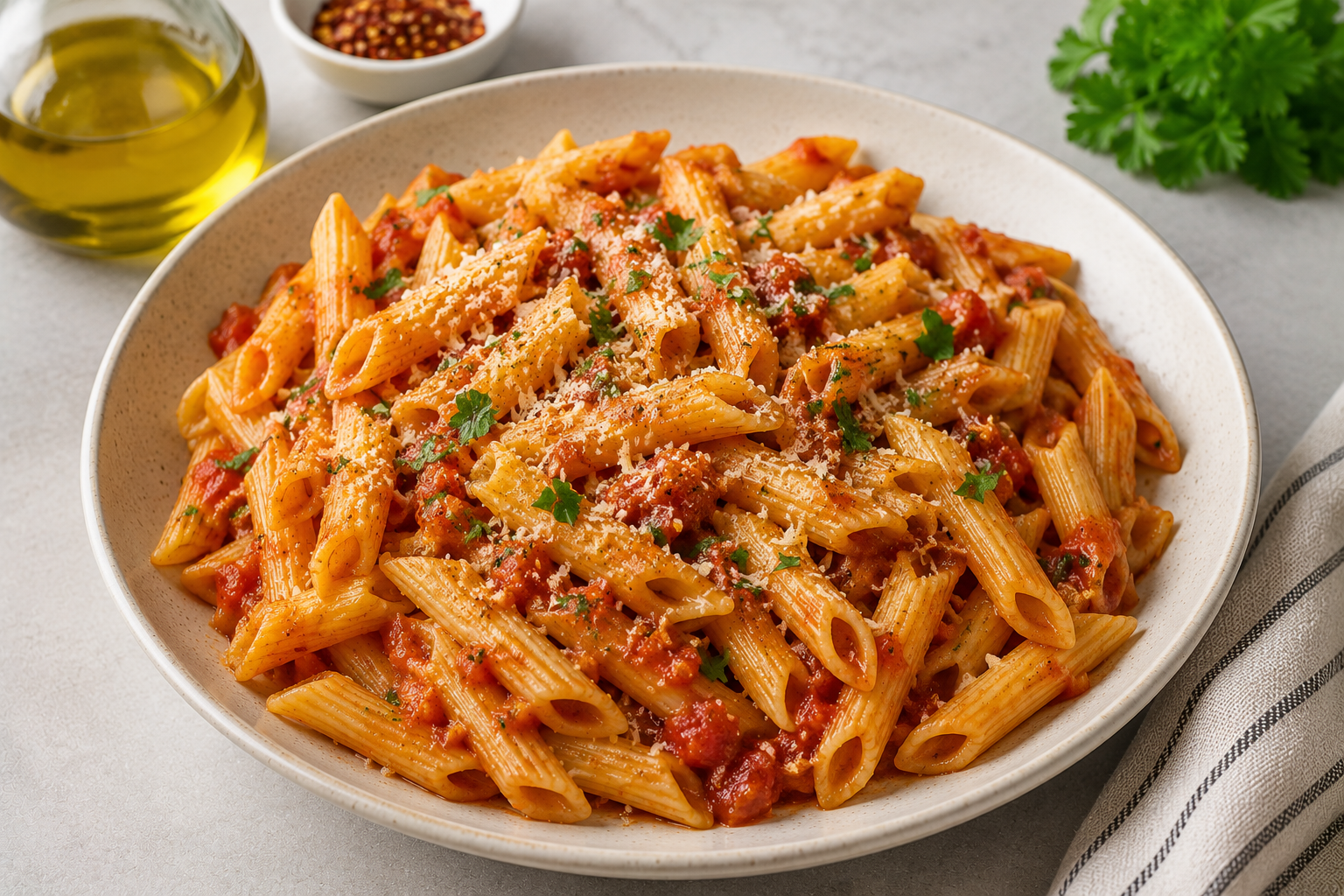
Tomato pasta is one of the simplest budget meals because it requires only a few ingredients but still delivers strong flavor. It is a good starting point for beginner cooks because the cooking process is straightforward and easy to adjust. A basic tomato pasta usually needs pasta, canned tomatoes or tomato sauce, onion, garlic, oil, and seasonings. These ingredients are commonly available and can be stored for future meals. The sauce can also be improved with vegetables such as carrots, mushrooms, spinach, or peppers depending on what you have available. One common mistake is cooking the sauce too quickly. Allowing tomatoes and seasonings to cook together for a little longer helps the flavors combine. Even a simple sauce can taste much better when given enough time to develop.
Simple Ways to Improve Tomato Pasta
Small changes can make a basic tomato pasta taste more interesting. Adding dried herbs such as oregano or basil can increase flavor without adding much cost. A small amount of cheese can also make the dish richer, while breadcrumbs toasted in a pan can provide extra texture. Another useful idea is preparing extra sauce and storing it for another meal. Homemade tomato sauce can often be used later with pasta, rice, vegetables, or sandwiches, making cooking more efficient.
Garlic Pasta: A Simple Meal With Big Flavor
Garlic pasta is a perfect example of how inexpensive ingredients can create a satisfying meal. Many beginner cooks assume that flavorful food requires expensive sauces or special ingredients, but simple combinations often work best. Garlic, oil, pasta water, and basic seasonings can create a dish that feels much more enjoyable than its low cost suggests.
The key to good garlic pasta is using proper cooking techniques. Garlic should be cooked gently because high heat can burn it quickly and create a bitter taste. Adding a small amount of pasta cooking water helps the ingredients combine and creates a smoother texture.
| Ingredient | Purpose | Affordable Alternative |
|---|---|---|
| Fresh Garlic | Adds strong aroma and flavor | Garlic powder when fresh garlic is unavailable |
| Olive Oil | Creates a smooth sauce | Regular cooking oil |
| Herbs | Add freshness and extra taste | Dried herbs or spices |
| Cheese | Adds richness | Breadcrumb topping or nutritional yeast |
Garlic pasta is also easy to customize. Adding vegetables, beans, leftover chicken, or eggs can turn a simple side dish into a complete meal. This flexibility makes it useful for households that want to save money while still eating different meals throughout the week.
Expert Tip: Save some pasta cooking water before draining. The starch in the water helps create a smoother sauce and prevents dry pasta.
Affordable Vegetable Pasta Ideas
Adding vegetables to pasta is one of the easiest ways to make meals more balanced while keeping costs low. Vegetables add flavor, color, and texture, and many affordable options work well with different types of pasta. Fresh vegetables are not always the cheapest choice, especially when certain items are out of season. Frozen vegetables can be a practical alternative because they last longer and reduce food waste. They are already cleaned and prepared, which can also save cooking time.
| Vegetable | Pasta Pairing | Cooking Method |
|---|---|---|
| Spinach | Creamy or garlic pasta | Add near the end of cooking |
| Peas | Tomato or cheese pasta | Mix directly into the sauce. |
| Carrots | Tomato pasta | Cook with onions for sweetness |
| Zucchini | Garlic pasta | Lightly sauté before mixing |
Making Vegetable Pasta More Filling
A common concern with vegetable pasta is that it may not keep people full for long. The solution is adding affordable protein or fiber sources. Beans, lentils, eggs, or small amounts of cheese can make the meal more satisfying without significantly increasing the cost. Another helpful approach is using vegetables that are already available. Instead of buying ingredients specifically for one recipe, look at what needs to be used first. This prevents waste and encourages creative cooking.
Adding Affordable Protein to Pasta Dishes
Protein can make pasta meals more complete, but it does not always need to come from expensive ingredients. Many affordable protein sources work well with pasta and can help create meals that are filling and practical. Beans and lentils are excellent examples because they are inexpensive, easy to store, and can absorb the flavors of sauces. Eggs are another flexible option that can create creamy textures without requiring heavy sauces. Leftover cooked meat can also be added to pasta instead of being wasted.
| Protein Source | Why It Works With Pasta |
|---|---|
| Lentils | Add texture and work well with tomato sauces |
| Chickpeas | Create a filling Mediterranean-style meal |
| Eggs | Create creamy sauces quickly |
| Leftover Chicken | Reduces food waste |
| Canned Fish | Provides quick flavor and protein |
A common mistake is adding too much protein and losing the balance of the dish. Pasta should still remain the main ingredient. The goal is to iremaineal, not make one ingredient overpower everything else.
Common Mistakes When Making Budget Pasta
Even simple pasta recipes can go wrong if you ignore basic cooking steps. Understanding common mistakes helps beginners create better meals without spending more money.
Overcooking the Pasta
One of the most frequent mistakes is cooking pasta too long. Overcooked pasta becomes soft and can lose its texture. Following the package instructions and checking the pasta a few minutes before the suggested cooking time can help achieve better results.
Not Seasoning the Cooking Water
Pasta absorbs some of the water it cooks in, so lightly seasoning the water can improve the final flavor. Many beginners focus only on the sauce and forget that the pasta itself also needs attention.
Using Too Much Sauce or Too Little Sauce
A good pasta dish needs balance. Too much sauce can hide the pasta texture, while too little sauce can make the meal dry. Mixing pasta and sauce together before serving usually creates better results than placing sauce only on top.
Ignoring Leftovers
Throwing away leftover pasta wastes both money and effort. Cooked pasta can often be transformed into another meal by adding eggs, vegetables, cheese, or a different sauce.
Ways to Save More Money When Cooking Pasta
Making cheap pasta recipes is not only about choosing inexpensive ingredients. Smart shopping habits and better kitchen organization can reduce food costs even further.
| Money-Saving Habit | How It Helps |
|---|---|
| Buy Pantry Staples in Larger Sizes | Often reduces cost per serving |
| Plan Meals Around Existing Ingredients | Prevents unnecessary purchases |
| Use Frozen Produce | Reduces waste from spoiled food |
| Cook Larger Portions | Creates easy leftovers |
Another useful habit is learning ingredient substitutions. If a recipe requires a specific vegetable or cheese that you do not have, replacing it with something similar can keep costs lower. Cooking should be flexible rather than stressful.
Warning: Buying many small specialty ingredients for one recipe can cost more than preparing several meals from basic staples.
Using Pasta for Weekly Meal Planning
Pasta can become an important part of weekly meal planning because it is easy to prepare in different ways. Instead of eating the same dish repeatedly, you can change flavors while using similar ingredients. For example, one week could include tomato pasta, garlic vegetable pasta, and a bean-based pasta dish. The main ingredients remain affordable, but small changes create variety.
| Day | Simple Pasta Idea |
|---|---|
| Monday | Tomato pasta with vegetables |
| Wednesday | Garlic pasta with beans |
| Friday | Leftover pasta bake |
Preparing ingredients ahead of time can also make busy evenings easier. Chopping vegetables, preparing sauces, or cooking extra portions can reduce the time needed for future meals.
FAQs
1. What are the cheapest ingredients to add to pasta?
Some of the most affordable pasta additions include canned tomatoes, onions, garlic, beans, lentils, frozen vegetables, eggs, and basic seasonings. These ingredients are inexpensive, easy to store, and can be used in many different meals. Choosing flexible ingredients helps you save money because you can use them in several recipes instead of buying items for only one dish.
2. Can cheap pasta recipes still be healthy?
Yes, affordable pasta meals can be balanced when combined with vegetables and protein sources. Pasta provides energy, while ingredients like beans, vegetables, eggs, and lentils add important nutrients. The key is creating variety instead of relying solely on plain pasta with a simple sauce every day.
3. How can I make pasta taste better without spending more money?
Improving flavor does not always require expensive ingredients. Cooking garlic and onions properly, using herbs and spices, seasoning pasta water, and saving pasta cooking water for sauces can make a noticeable difference. Small techniques often improve meals more than adding costly ingredients.
4. Is homemade pasta sauce cheaper than buying sauce?
Often, homemade sauce can be cheaper because it uses basic ingredients like canned tomatoes, onions, garlic, and seasonings. It also allows you to control the flavor and adjust the recipe based on what you already have. However, store-bought sauces can still be useful when convenience is important.
Conclusion
Cheap pasta recipes using everyday kitchen staples prove that affordable meals do not have to be boring or complicated. With a simple package of pasta and a few reliable ingredients, you can create many different dishes that are practical, flavorful, and easy to prepare. The most important skills are learning how ingredients work together, avoiding unnecessary food waste, and becoming comfortable with substitutions. A small pantry of basic items can provide many meal possibilities when you understand simple cooking methods. Whether you are cooking for yourself, your family, or trying to manage a tighter food budget, pasta can be a valuable kitchen resource. Start with simple recipes, experiment with flavors, and use what you already have. Good cooking is often less about expensive ingredients and more about smart choices.
References
- United States Department of Agriculture (USDA) Food and Nutrition Information:
https://www.myplate.gov/ - Harvard T.H. Chan School of Public Health – Healthy Eating Plate:
https://www.hsph.harvard.edu/nutritionsource/healthy-eating-plate/ - Food and Agriculture Organization of the United Nations (FAO) – Food Waste and Sustainable Food Practices:
https://www.fao.org/ - Academy of Nutrition and Dietetics – Nutrition Information:
https://www.eatright.org/

Arman Haleem is a passionate food content writer dedicated to simplifying everyday cooking. With a focus on practical recipes, budget-friendly meals, and time-saving kitchen strategies, Arman creates content that fits real-life routines. His approach centers on making healthy eating more accessible without adding complexity. Through Recipe Harbor, he aims to help readers build sustainable cooking habits and feel more confident in the kitchen, regardless of their experience level.