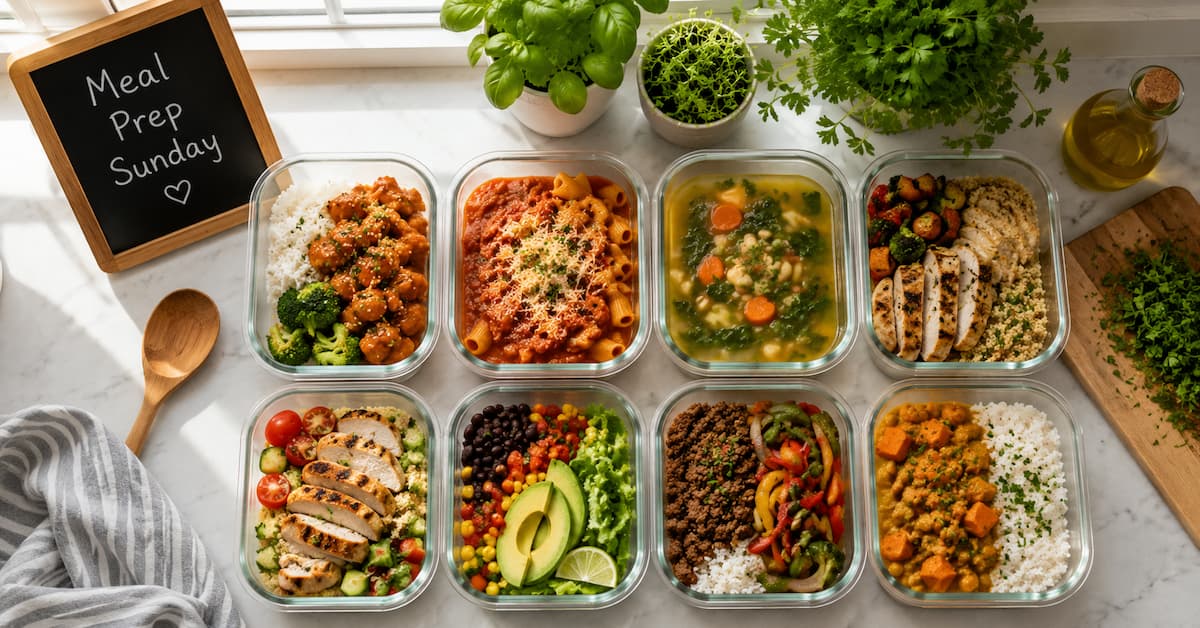
Imagine coming home after a brutal 10-hour workday, opening your freezer, and pulling out a homemade, nutritious dinner that costs less than $3 per serving. No drive-thru. No expensive takeout. No staring into an empty fridge wondering what to cook. This isn’t a fantasy—it’s the reality of budget-friendly freezer meal prep, and it’s changing how thousands of busy people eat every single day.
Whether you’re a complete kitchen beginner who burns toast, a professional juggling back-to-back meetings, or a parent trying to feed a family without breaking the bank, freezer meals are your secret weapon. In this guide, I’ll walk you through everything you need to know: from smart shopping strategies that slash your grocery bill, to five proven recipes that freeze beautifully, to the exact steps for storing and reheating your meals safely. Let’s turn your freezer into a personal meal-prep powerhouse.
Why Freezer Meals Are a Game-Changer for Your Budget
Let’s talk numbers for a second. The average American household spends roughly $3,000 per year on dining out and takeout, according to the Bureau of Labor Statistics. That’s $250 a month—often more than the grocery budget itself. Now imagine redirecting even half of that money back into your pocket simply by having ready-to-eat meals waiting in your freezer.
Freezer meals aren’t just about convenience; they’re a financial strategy. When you buy ingredients in bulk, cook in batches, and portion meals ahead of time, you’re essentially buying food at wholesale prices and paying yourself for the labor. A single batch of vegetable soup that costs $12 to make can yield 8 servings at $1.50 each. Compare that to a $12 bowl of soup at a restaurant, and the math speaks for itself.
But the savings go deeper. Freezer cooking reduces food waste dramatically. How many times have you bought fresh produce with good intentions, only to watch it wilt in the crisper drawer? When you prep and freeze meals immediately after shopping, you lock in freshness at its peak. You’re also less likely to make impulse purchases at the grocery store because you’re shopping with a specific plan, not wandering aisles hungry and stressed.
Pro Tip: Start with just 4-5 freezer meals per week. Even this modest commitment can save you $100-$150 monthly compared to eating out or buying pre-made meals.
Smart Shopping: Building Your Freezer Meal Arsenal
The foundation of any successful freezer meal prep session starts at the grocery store. But here’s the thing: you don’t need fancy ingredients or expensive proteins to make delicious, satisfying freezer meals. Some of the best freezer-friendly dishes rely on humble, affordable staples that have been feeding families for generations.
The Budget Freezer Meal Shopping List
Before you head to the store, arm yourself with this strategic shopping list. These ingredients are chosen specifically for their freezer performance, versatility, and wallet-friendly prices:
Proteins (Under $3/lb when bought in bulk)
- Chicken thighs – More flavorful and cheaper than breasts; freeze beautifully in marinades
- Ground turkey or beef – Buy family packs, portion into 1-lb bags, freeze flat
- Dried beans and lentils – The ultimate budget protein; cook a huge batch and freeze in 2-cup portions
- Eggs – Scramble and freeze in muffin tins for quick breakfast burritos
- Canned tuna or salmon – Perfect for casseroles and patties that freeze well
Vegetables & Starches
- Frozen mixed vegetables – Often fresher and cheaper than “fresh” produce that’s been trucked across the country
- Sweet potatoes and regular potatoes – Roast, mash, or cube before freezing
- Rice and pasta – Cook slightly underdone before freezing to prevent mushiness
- Onions, carrots, celery – The aromatic base of nearly every soup, stew, and sauce
- Canned tomatoes – The backbone of countless freezer-friendly sauces
Here’s a money-saving hack most people overlook: shop the “reduced for quick sale” section at your grocery store. Meat approaching its sell-by date is perfectly safe to freeze immediately and is often marked down 30-50%. I’ve built entire freezer meal prep sessions around these discounted proteins, saving $40-$60 per shopping trip.
Essential Tools & Containers for Freezer Success
You don’t need a professional kitchen to master freezer meals, but a few strategic tools will make your life infinitely easier. The good news? Most of these are one-time investments that pay for themselves within the first month of meal prepping.
Must-Have Freezer Meal Tools
- Glass meal prep containers with locking lids—Reusable, microwave-safe, and won’t stain or absorb odors
- Heavy-duty freezer bags (gallon and quart sizes) – Perfect for soups, sauces, and marinated proteins; lay flat to freeze for efficient storage
- Permanent markers and freezer labels—Label every container with the contents and date; trust me, you’ll forget what’s in that mystery bag
- Aluminum foil pans – Ideal for casseroles and lasagnas; you can freeze, bake, and toss for zero cleanup
- Ice cube trays – Freeze homemade stock, pesto, or herb purees in perfect portions
- Food scale – Ensures consistent portion sizes and helps with meal planning
One container strategy that changed my freezer organization forever: the “file folder” method. Instead of stacking containers on top of each other (which creates an impossible-to-navigate frozen block), freeze bags flat and then stand them upright like books on a shelf. You’ll be able to see every meal at a glance, and nothing gets buried and forgotten for six months.
5 Budget-Friendly Freezer Meal Recipes Anyone Can Make
Now for the fun part—the recipes! Each of these meals costs under $2.50 per serving, requires minimal cooking skills, and freezes with excellent results. I’ve tested every single one in my own kitchen, and they consistently get rave reviews from family, friends, and coworkers.
1. Hearty Vegetable & Bean Soup
Why it works: Beans and vegetables are the ultimate budget ingredients, and this soup actually tastes better after freezing as the flavors meld together.
Ingredients:
- 2 cans diced tomatoes ($1.50)
- 1 can kidney beans, drained ($0.89)
- 1 can chickpeas, drained ($0.89)
- 3 carrots, diced ($0.50)
- 2 celery stalks, diced ($0.40)
- 1 onion, diced ($0.40)
- 4 cups vegetable broth ($1.50)
- 2 tsp Italian seasoning, salt, pepper ($0.50)
- 2 cups frozen spinach ($1.00)
Instructions:
- Sauté onion, carrots, and celery in a large pot until softened (5 minutes)
- Add diced tomatoes, broth, beans, chickpeas, and seasonings
- Bring to a boil, then simmer for 30 minutes
- Stir in frozen spinach and cook 5 more minutes
- Cool completely, then portion into freezer bags or containers
- Freeze for up to 3 months
Reheating: Thaw overnight in the fridge or microwave directly from frozen for 6-8 minutes, stirring halfway.
2. Honey Garlic Chicken Thighs with Rice
Why it works: Chicken thighs stay incredibly moist after freezing, unlike chicken breasts, which can become dry and rubbery. The honey garlic sauce prevents any freezer burn issues.
Ingredients:
- 2 lbs chicken thighs, bone-in ($5.00)
- 1/3 cup honey ($0.75)
- 1/4 cup soy sauce ($0.50)
- 4 cloves garlic, minced ($0.30)
- 1 tbsp olive oil ($0.20)
- 2 cups cooked rice ($0.60)
- 1 lb frozen broccoli ($1.50)
- Sesame seeds for garnish ($0.25)
Instructions:
- Whisk honey, soy sauce, and garlic in a bowl
- Season chicken thighs with salt and pepper and sear in a hot skillet (3 min per side)
- Transfer to a baking dish and pour honey garlic sauce over top
- Bake at 400°F for 25 minutes until internal temp reaches 165°F
- Steam broccoli and cook rice while chicken bakes
- Portion chicken, rice, and broccoli into containers
- Spoon extra sauce over each portion before freezing
Reheating: Microwave 3-4 minutes, or bake at 350°F for 15 minutes covered with foil.
3. Freezer Breakfast Burritos
Why it works: Breakfast is the meal most people skip or overspend on (hello, $7 coffee shop breakfast sandwiches). These burritos solve both problems and reheat in 90 seconds.
Ingredients:
- 12 large flour tortillas ($2.50)
- 12 eggs, scrambled ($2.00)
- 1 lb breakfast sausage or bacon ($3.50)
- 2 cups shredded cheese ($2.00)
- 1 can black beans, drained ($0.89)
- 1 cup salsa ($1.00)
- 1 bag frozen peppers and onions ($1.50)
Instructions:
- Cook sausage/bacon, drain fat, and crumble
- Sauté frozen peppers and onions until softened
- Scramble eggs in the same pan for extra flavor
- Warm tortillas in the microwave for 20 seconds to make them pliable
- Layer eggs, meat, beans, cheese, salsa, and veggies on each tortilla
- Fold into burritos: fold sides in, then roll from bottom up
- Wrap each burrito tightly in foil, then place in a freezer bag
- Freeze for up to 2 months
Reheating: Unwrap from foil, microwave for 90 seconds, then crisp in a skillet for 2 minutes if desired.
4. Baked Ziti with Hidden Vegetables
Why it works: Pasta bakes are freezer meal royalty. The cheese creates a protective layer, and the pasta actually improves in texture after freezing and reheating. The hidden vegetables mean picky eaters get nutrition without knowing it.
Ingredients:
- 1 lb ziti or penne pasta ($1.00)
- 1 jar marinara sauce ($1.50)
- 1 lb ground turkey ($3.50)
- 2 cups shredded mozzarella ($2.50)
- 1 cup ricotta cheese ($1.50)
- 1 egg ($0.20)
- 2 zucchini, grated ($1.00)
- 1 carrot, grated ($0.25)
- 1 tsp garlic powder, Italian seasoning ($0.30)
Instructions:
- Cook pasta 2 minutes less than package directions (it will finish cooking when reheated)
- Brown ground turkey and drain excess fat
- Stir grated zucchini and carrot into the meat—they’ll disappear into the sauce
- Mix ricotta, egg, and 1 cup mozzarella in a bowl
- In a large aluminum pan, layer half the pasta, half the meat sauce, half the ricotta mixture; repeat
- Top with remaining mozzarella
- Cover tightly with foil and freeze (do not bake before freezing)
Reheating: Thaw for 24 hours in the fridge, then bake covered at 375°F for 45 minutes, and uncover for the last 10 minutes.
5. Lentil Shepherd’s Pie
Why it works: Lentils are nutritional powerhouses—high protein, high fiber, and incredibly cheap. This vegetarian shepherd’s pie is so hearty and satisfying that even dedicated meat-eaters won’t miss the beef.
Ingredients:
- 2 cups dried green or brown lentils ($1.50)
- 4 cups vegetable broth ($1.50)
- 1 onion, diced ($0.40)
- 2 carrots, diced ($0.50)
- 2 celery stalks, diced ($0.40)
- 1 cup frozen peas ($0.75)
- 2 tbsp tomato paste ($0.40)
- 1 tsp Worcestershire sauce ($0.20)
- 3 lbs potatoes, mashed ($2.00)
- 2 tbsp butter ($0.30)
- 1/2 cup milk ($0.25)
Instructions:
- Simmer lentils in broth for 25 minutes until tender but not mushy
- Sauté onion, carrots, and celery until soft
- Combine lentils, sautéed vegetables, peas, tomato paste, and Worcestershire
- Boil potatoes until fork-tender and mash with butter and milk
- Spread lentil mixture in a baking dish and top with mashed potatoes
- Use a fork to create ridges on the potato topping (it gets crispy when reheated)
- Cool completely, wrap in foil, and freeze
Reheating: Thaw overnight and bake at 375°F for 35-40 minutes until bubbling and potatoes are golden.
Storage, Labeling & Safety Guidelines
All the meal prep in the world won’t help if your food spoils or gets freezer burn. Follow these evidence-based guidelines to keep your meals safe, fresh, and delicious for months.
The Freezer Safety Timeline
Different foods have different freezer lifespans. Here’s what the USDA and food safety experts recommend:
Maximum Freezer Storage Times
- Soups and stews: 2-3 months
- Cooked poultry: 4 months
- Cooked ground meat: 3-4 months
- Casseroles and pasta bakes: 2-3 months
- Breakfast burritos: 1-2 months
- Homemade stock: 4-6 months
Labeling That Actually Works
I’ve learned the hard way that “I’ll remember what’s in this container” is a lie we tell ourselves. Every single container or bag needs a label with three pieces of information:
- Contents: Be specific. “Honey Garlic Chicken,” not “chicken thing.”
- Date frozen: Write the date you put it in the freezer, not the date you cooked it
- Reheating instructions: “Microwave 4 min” or “Bake 375°F 45 min”—future you will be grateful
Reheating Tips for Perfect Results Every Time
Reheating is where many freezer meal newbies go wrong. A few simple techniques can mean the difference between a meal that tastes freshly made and one that’s dry, rubbery, or unevenly heated.
The Microwave Method (Fastest)
For individual portions, the microwave is your best friend—but only if you use it correctly. Always use 50% power and heat in 1-minute intervals, stirring between each interval. This prevents the dreaded “lava on the outside, ice cube in the middle” scenario. Add a damp paper towel over the top to keep food moist.
The Oven Method (Best Texture)
For casseroles, pasta bakes, and anything with cheese, the oven is unbeatable. Cover with foil to prevent drying, and add 10-15 minutes to the original cooking time if reheating from frozen. For best results, thaw overnight in the refrigerator first.
The Stovetop Method (Best for Soups & Sauces)
Pour frozen soup or sauce into a pot and heat over medium-low, stirring occasionally. Add a splash of broth or water if it seems too thick. This method gives you the most control and prevents scorching.
FAQs
1. Can I freeze meals with dairy products like milk or cream?
Yes, but with caveats. Hard cheeses (cheddar, mozzarella) freeze well, but soft cheeses and cream-based sauces can separate and become grainy. If a recipe calls for cream, consider adding it during reheating rather than before freezing. Evaporated milk and coconut milk are more freezer-stable alternatives.
2. How do I prevent my pasta from getting mushy after freezing?
The secret is undercooking your pasta by 2-3 minutes before adding it to the dish. The pasta will finish cooking during reheating, absorbing sauce and reaching the perfect al dente texture. Also, avoid freezing pasta with very thin sauces—thicker, heartier sauces protect pasta better.
3. Is it safe to freeze cooked rice?
Absolutely! Cooked rice freezes very well, but you must cool it quickly and thoroughly before freezing to prevent bacterial growth. Spread cooked rice on a baking sheet to cool rapidly, then portion and freeze. Reheat rice until it’s steaming hot throughout—never reheat rice more than once.
4. How much money can I realistically save with freezer meals?
Based on my own experience and feedback from hundreds of readers, the average household saves $150-$400 per month by replacing takeout, restaurant meals, and convenience foods with freezer meals. A single batch cooking session on Sunday can provide 15-20 meals, costing roughly $30-$50 in ingredients versus $150+ for equivalent purchased meals.
Key Takeaways
- Freezer meals can save the average family $150-$400 monthly compared to eating out
- Chicken thighs, lentils, and beans are the most budget-friendly freezer proteins
- Always label containers with contents, date, and reheating instructions
- Undercook pasta by 2-3 minutes before freezing for perfect texture upon reheating
- Use the “file folder” method to organize freezer bags upright for easy access
- Start small—just 4-5 meals per week can make a dramatic financial impact
Your freezer meal journey starts today.
Here’s the truth: you don’t need to transform your entire life overnight to benefit from freezer meal prep. You don’t need a massive chest freezer, professional cooking skills, or an entire Sunday to dedicate to batch cooking. You just need to start.
Pick one recipe from this guide—the one that made your stomach growl—and make it this weekend. Double the batch. Eat one portion for dinner and freeze the rest. That’s it. You’ve just taken your first step toward saving money, reducing stress, and eating better than you have in months.
Budget-friendly freezer meals aren’t a trend or a hack—they’re a sustainable way of living that puts you back in control of your time, your money, and your health. Your future self, the one standing in front of the freezer at 7 PM on a Tuesday, will thank you.

Arman Haleem is a passionate food content writer dedicated to simplifying everyday cooking. With a focus on practical recipes, budget-friendly meals, and time-saving kitchen strategies, Arman creates content that fits real-life routines. His approach centers on making healthy eating more accessible without adding complexity. Through Recipe Harbor, he aims to help readers build sustainable cooking habits and feel more confident in the kitchen, regardless of their experience level.