
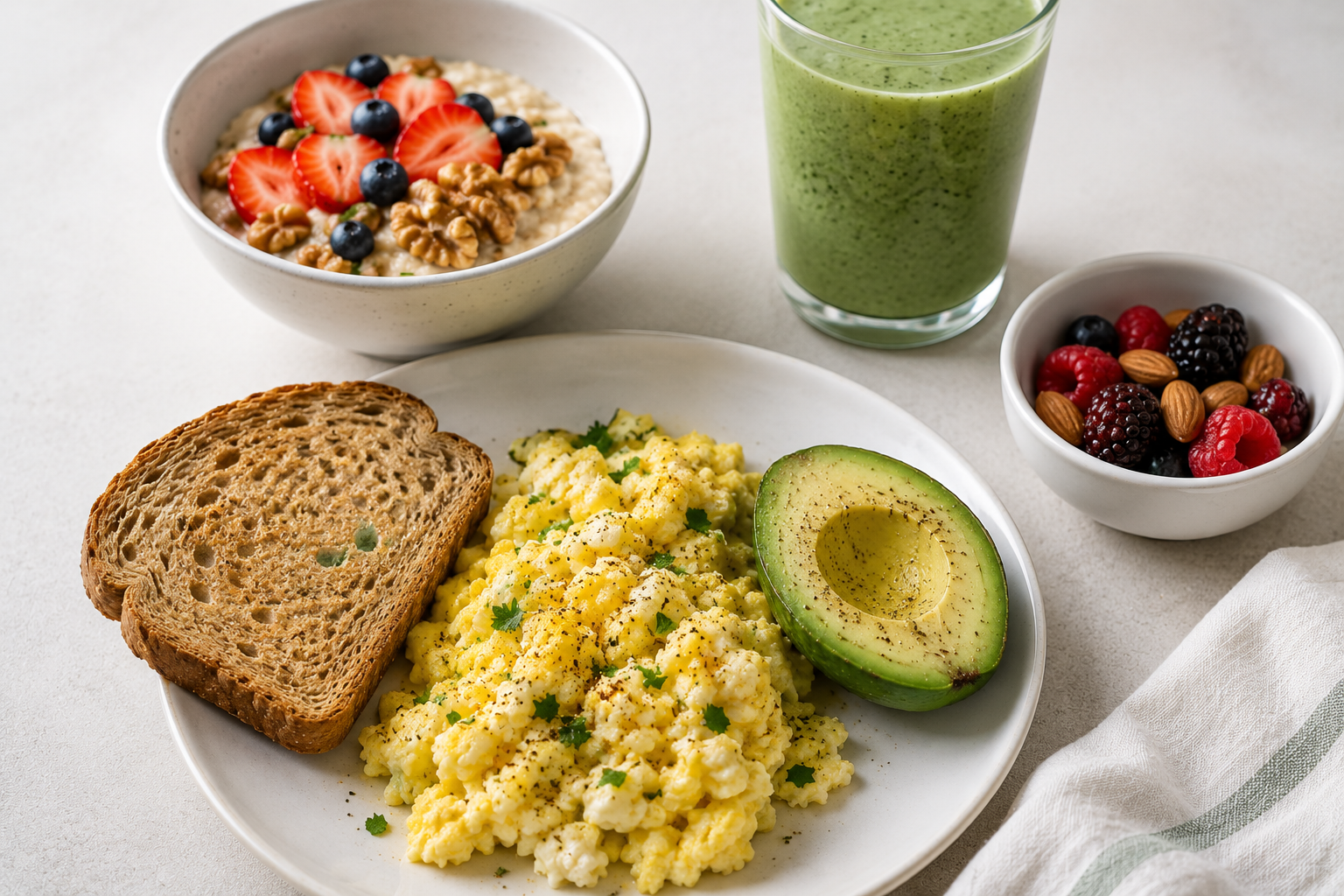
Breakfast habits vary widely, but nowadays more and more people are paying attention to the extra sugar they consume at breakfast. Choosing a sugar-free breakfast does not mean you have to compromise on tasty or varied food. It usually means focusing on simple dishes, a nutritious and balanced diet, and readily available options that provide a feeling of satiety without too much sweetness.
Breakfast is usually one of the busiest moments of the day in my household. Although instant cereals, flavoured drinks, pastries, and packaged snacks are readily available, they can contain significant amounts of extra sugar. That is why some people choose a breakfast with yoghurt, nuts, whole grains, eggs, and oatmeal. You can use these products to make a nutritious, quick, and effortless breakfast, especially on busy mornings.
Another reason why sugar-free breakfasts are popular is that people can prepare them easily. There are many ways to make a low-sugar breakfast. Some people prefer savoury options such as vegetable salads or omelettes, while others prefer plain oatmeal, yoghurt, or whole-grain toast with simple toppings. Our goal is not to strictly restrict your diet but to offer you nutritional options that are practical and fit into your daily routine.
Why Do Some People Choose a Sugar-Free Breakfast?
Many breakfast products are predominantly sweet, so some people choose items made primarily with natural ingredients and a balanced taste. Even without added sugar, a sugar-free breakfast can provide a satisfying taste and texture and a feeling of satiety.
People generally choose low-sugar meals for the following reasons:
- It helps prevent an overly sweet morning
- It encourages healthy eating
- It is rich in natural nutrients
- It can contain protein-rich and fiber-rich products
- It provides a long-lasting feeling of fullness
Another advantage is that sugar-free breakfasts are often easy to adapt to individual needs. You can adjust the ingredients to your taste, health condition, or what you have at home.
What “Sugar-Free” Means in Everyday Breakfasts
Sometimes the term “sugar-free” sounds much stricter than it actually is. When it comes to an everyday breakfast, it is usually about reducing or avoiding added sugars, not about eliminating naturally occurring sugars in food.
For example, many people still eat vegetables and dairy products for breakfast, even though these foods contain sugar themselves. Limiting the intake of ingredients such as sugary syrups, sugary breakfast cereals, sugary spreads, and sugary-flavoured drinks is often the primary goal.
Additionally, reading food labels is beneficial. Some products labelled “healthy” or “low sugar” may still contain hidden sugars or sweeteners. By reading labels, people learn more about what they are eating without having to adhere to all sorts of complicated dietary rules.
Moreover, remember that balance is more important than precision. If you want a low-sugar breakfast, choose simple, tasty dishes that fit your usual eating habits, rather than sticking to strict rules.
Foods Commonly Used in Sugar-Free Breakfasts
Many common breakfast foods naturally work well in lower-sugar meals because they focus on protein, fibre, and balanced ingredients.
Protein-Rich Foods
Protein is often included in breakfast because it helps create meals that feel more satisfying and balanced.
Common options include:
- eggs
- Greek yogurt
- cottage cheese
- nuts
- seeds
These ingredients can be used in both savoury and lightly sweet breakfast combinations.
Fiber-Rich Ingredients
Fibre-rich foods help add texture and variety while making breakfasts feel more complete.
Examples include:
- oats
- vegetables
- chia seeds
- whole grains
Adding fibre-rich ingredients can also improve the overall balance of breakfast meals.
Healthy Fat Sources
Healthy fats are often used in sugar-free breakfasts because they pair well with both protein- and fibre-rich foods.
Common examples include:
- avocado
- nut butter
- olive oil
- seeds
These ingredients help create meals that feel flavourful and satisfying without needing excessive sweetness.
Easy Sugar-Free Breakfast Ideas
There are many practical breakfast combinations that can work well without relying on added sugar. These ideas focus on everyday ingredients and simple preparation.
Vegetable Omelet with Herbs
A vegetable omelette is a simple breakfast option that combines protein with fresh vegetables. Ingredients such as spinach, tomatoes, onions, and herbs can create a balanced meal with very little preparation. It also works well for busy mornings because the ingredients can be prepared ahead of time.
Greek Yogurt Bowl with Nuts and Seeds
Plain Greek yoghurt paired with nuts and seeds creates a breakfast with different textures and balanced ingredients. Chia seeds, walnuts, almonds, or sunflower seeds can be added for extra crunch. This type of breakfast is also easy to customise with different toppings depending on preference.
Avocado Toast with Eggs
Avocado toast topped with eggs is a popular savoury breakfast because it combines healthy fats, protein, and whole grains in one simple meal. Whole-grain bread can provide texture while avocado and eggs create a filling breakfast option suitable for both weekdays and weekends.
Overnight Oats Without Added Sugar
Overnight oats can be prepared the night before using oats, chia seeds, milk or yoghurt, and simple toppings. Because the oats soften overnight, they become convenient for busy mornings. Natural ingredients like cinnamon, nuts, or fresh fruit slices can add flavour without relying heavily on added sugar.
Cottage Cheese and Vegetable Bowl
Cottage cheese paired with vegetables creates a savoury breakfast option that feels light yet satisfying. Cucumbers, tomatoes, herbs, and black pepper can add freshness and texture while keeping preparation simple.
Spinach and Egg Breakfast Wrap
A spinach and egg wrap works well for people who need portable breakfast options. Whole-grain wraps filled with eggs and vegetables can be prepared quickly and are convenient for mornings when there is limited time.
Tips for Building a Balanced Breakfast
Creating balanced breakfasts does not need to be complicated. Small adjustments to ingredients and meal structure can make breakfast feel more satisfying and practical.
Helpful tips include:
- include protein sources whenever possible
- Add fibre-rich ingredients for balance
- avoid overly processed foods
- include healthy fats in moderation
- prepare ingredients ahead of time for easier mornings
Simple combinations often work best because they are easier to maintain consistently.
Common Mistakes When Reducing Sugar at Breakfast
People sometimes make breakfast more complicated than necessary when trying to reduce added sugar. Avoiding these common mistakes can help maintain balance and variety.
- relying only on processed “diet” foods
- skipping protein completely
- replacing sugar with excessive sweeteners
- ignoring portion balance
- choosing flavored products with hidden sugars
Another common issue is removing too many foods at once. Gradual changes are often easier to maintain and can make breakfasts feel more natural rather than restrictive.
Meal Prep Ideas for Easier Mornings
Meal prep can make lower-sugar breakfasts much more convenient during busy weekdays.
Preparing Ingredients the Night Before
Washing vegetables, portioning oats, or preparing yoghurt bowls in advance can reduce preparation time in the morning.
Batch Cooking Breakfast Proteins
Eggs, grilled chicken, or breakfast wraps can be prepared in larger batches and stored for later meals throughout the week.
Using Portion Containers
Small containers help keep ingredients organised and make it easier to assemble balanced breakfasts quickly before leaving home.
Quick Ingredient Swaps for Lower-Sugar Breakfasts
Simple ingredient swaps can help reduce added sugar while still keeping breakfast enjoyable and satisfying.
Instead of Sweet Cereals
Try:
- oats
- eggs
- yogurt bowls
These alternatives often contain more balanced ingredients and fewer added sweeteners.
Instead of Sugary Spreads
Consider using:
- nut butter
- avocado
- cottage cheese
These toppings add texture and flavour without relying heavily on sweetness.
Instead of Sweet Drinks
Try beverages such as:
- unsweetened tea
- black coffee
- infused water
Reducing sugar in drinks can make a noticeable difference in overall breakfast choices.
Frequently Asked Questions
Can fruit still be included in sugar-free breakfasts?
Yes, many people still include fruit in lower-sugar breakfasts because fruit contains naturally occurring sugars along with fibre and nutrients. The focus is usually on reducing added sugars rather than avoiding all natural sources.
Are oats considered a nutritious breakfast option?
Oats are commonly used in balanced breakfasts because they are versatile, easy to prepare, and pair well with ingredients such as nuts, seeds, yoghurt, and fruit.
How can breakfast feel filling without added sugar?
Including protein, healthy fats, and fibre-rich ingredients can help create breakfasts that feel balanced and satisfying without needing excessive sweetness.
What are easy grab-and-go sugar-free breakfasts?
Egg wraps, yoghurt bowls, overnight oats, boiled eggs, cottage cheese bowls, and nut-based snacks are all practical options for busy mornings.
Final Thoughts
Sugar-free breakfast ideas for everyday mornings focus on balanced eating, simple ingredients, and practical meal choices. Whether preparing savoury egg dishes, yoghurt bowls, overnight oats, or vegetable-based breakfasts, there are many flexible options that fit naturally into daily routines. By focusing on variety, preparation, and whole ingredients, lower-sugar breakfasts can remain both convenient and satisfying throughout the week.

Arman Haleem is a passionate food content writer dedicated to simplifying everyday cooking. With a focus on practical recipes, budget-friendly meals, and time-saving kitchen strategies, Arman creates content that fits real-life routines. His approach centers on making healthy eating more accessible without adding complexity. Through Recipe Harbor, he aims to help readers build sustainable cooking habits and feel more confident in the kitchen, regardless of their experience level.