
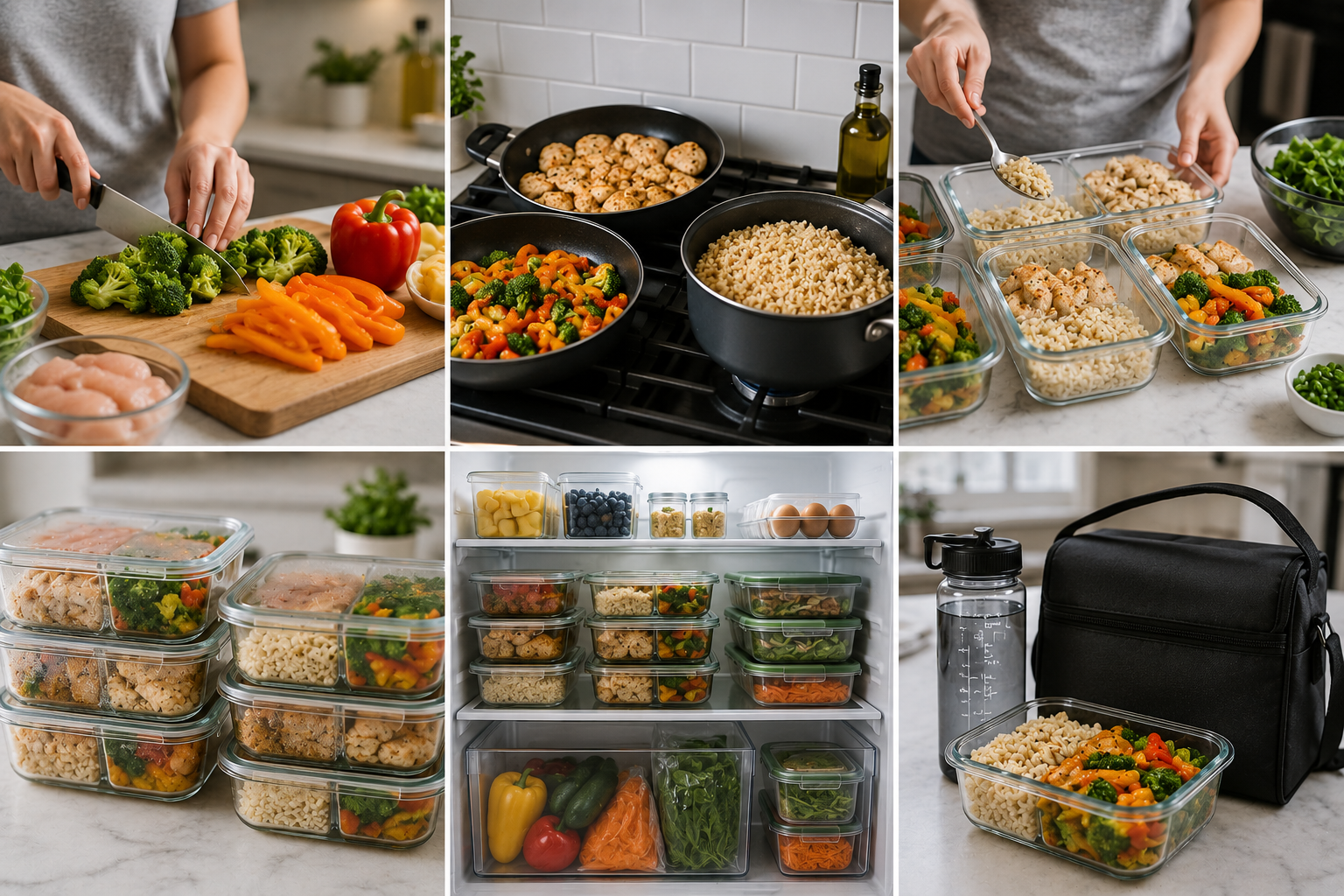
In today’s fast-paced world, finding time to cook healthy meals can feel nearly impossible. Between work, errands, family, and social commitments, it’s easy to grab takeout or skip meals altogether. Over the years, I’ve learned that meal prep is the ultimate time-saver, stress reducer, and budget-friendly solution for busy schedules. With a simple, structured routine, you can eat well, save time, and avoid the last-minute panic of figuring out what to cook. In this guide, I’ll share a straightforward meal prep routine that anyone with a busy lifestyle can follow, complete with practical tips, examples, and actionable steps.
Understanding the Benefits of Meal Prep
Before diving into the routine, it’s important to understand why meal prep is worth the effort:
- Saves time during the week: Preparing ingredients and meals in advance reduces daily cooking time.
- Reduces stress: Knowing meals are ready to go prevents last-minute chaos.
- Encourages healthy eating: Prepping balanced meals helps resist fast-food temptation.
- Saves money: Cooking at home is more affordable than ordering takeout regularly.
- Minimises food waste: Planning and storing meals prevents unused ingredients from spoiling.
I used to struggle with deciding what to eat after long workdays. Meal prep changed that—Sunday afternoons became my prep time, and the week felt organised and stress-free.
Step 1: Plan Your Weekly Meals
Meal prep starts with planning. Knowing what you’ll eat helps guide grocery shopping and cooking.
- Set aside 15–20 minutes: Choose a day to plan meals for the upcoming week.
- Consider your schedule: Plan simpler meals for busy nights and more involved recipes when you have extra time.
- Balance your nutrition: Include proteins, vegetables, healthy fats, and carbohydrates in each meal.
- Choose versatile ingredients: For example, roasted chicken can be used in salads, wraps, and pasta dishes.
I usually spend Sunday morning planning my meals. I note which nights will be busier and plan quick meals for those days, while reserving longer recipes for nights when I have more time.
Step 2: Make a grocery list.
Once your meals are planned, create a detailed grocery list to make shopping efficient.
- Organise by sections: produce, dairy, protein, grains, canned goods, and frozen items.
- Check your pantry: Avoid buying items you already have.
- Include snacks: Prepare healthy snacks like fruits, nuts, or yoghurt to avoid reaching for junk food.
- Stick to the list: Minimises impulse purchases and ensures you have everything needed for prep.
I keep a reusable list on my phone. Before heading to the store, I check pantry inventory, add missing items, and organise the list by store sections. This saves multiple trips to the store.
Step 3: Batch Cooking Staples
Batch cooking is the backbone of meal prep. Prepare ingredients that can be used in multiple meals:
- Proteins: Roast chicken, bake salmon, cook lentils, or boil eggs.
- Grains: Cook rice, quinoa, pasta, or couscous in large batches.
- Vegetables: Roast or steam vegetables like carrots, broccoli, and bell peppers.
- Sauces and dressings: Make vinaigrettes, tomato sauce, or curry bases in advance.
For instance, I cook a batch of quinoa and roasted chicken on Sunday. By midweek, I can assemble salads, wraps, or bowls in minutes, combining different vegetables, proteins, and sauces.
Step 4: Portion and Store Ingredients
Proper storage is essential to keep meals fresh and accessible:
- Use clear containers: Stackable containers save fridge space and make it easy to see what you have.
- Label containers: write contents and date to avoid confusion.
- Separate by meal or ingredient: Some people prefer storing full meals; others like ingredients to mix and match.
- Consider freezer-friendly options: Freeze proteins, soups, or cooked grains to extend shelf life.
I keep individual lunch containers for workdays and larger containers for family dinners. Portioning ensures I grab a balanced meal without extra thought.
Step 5: Set a prep schedule.
Consistency is key. Setting a specific meal prep day and schedule helps form a routine:
- Choose a dedicated day: Sunday or any day you have 1–2 hours free.
- Break tasks into steps: Wash and chop vegetables, cook proteins, cook grains, and make sauces.
- Multitask smartly: While proteins are in the oven, prep vegetables or make dressings.
- Clean as you go: Reduces post-prep cleanup time and keeps your workspace efficient.
I set aside Sunday afternoons for meal prep. I turn on a playlist, work in stages, and, by the time I’m done, my fridge is fully stocked for the week.
Step 6: Use Efficient Cooking Techniques
Certain cooking techniques save time and enhance flavour:
- Roasting: Toss vegetables in oil and roast in bulk. It’s flavourful and requires minimal attention.
- Sheet pan meals: Combine protein and vegetables on a single pan for easy prep and cleanup.
- One-pot meals: Curries, stews, and pasta dishes save both time and dishes.
- Slow cooker or Instant Pot: Great for hands-off cooking while you handle other tasks.
For example, I prepare a sheet-pan chicken and vegetable dinner on Sunday. It lasts for multiple meals and requires minimal effort during the week.
Step 7: Plan Quick Meals for Busy Days
Even with meal prep, some days will be unpredictable. Have quick meal options ready:
- Overnight oats or yoghurt bowls: Breakfast in under 5 minutes.
- Wraps and sandwiches: Use prepped proteins, vegetables, and spreads.
- Stir-fries: Quickly cook pre-chopped vegetables and pre-cooked protein with sauce.
- Frozen meals: Homemade soups or casseroles that can be microwaved.
I always keep a batch of overnight oats ready and pre-cooked chicken in the fridge. On hectic mornings, I grab what I need and save precious time.
Step 8: Incorporate Leftovers Creatively
Meal prep doesn’t mean eating the same thing repeatedly. Repurpose leftovers for variety:
- Transform dinner into lunch: Roast chicken for dinner becomes a salad or wrap for lunch.
- Mix grains and vegetables differently: Combine quinoa with different vegetables or sauces each day.
- Use frozen extras: Freeze leftovers to create new meals later in the week.
I often repurpose Sunday’s roasted vegetables into a frittata or stir-fry midweek. This keeps meals exciting without additional cooking time.
Step 9: Maintain a Clean and Organized Kitchen
An organised kitchen ensures meal prep is smooth every week:
- Wipe counters and clean tools immediately: This avoids clutter build-up.
- Organise the pantry and fridge: Keep items in labelled containers and group similar ingredients.
- Restock staples regularly: Prevent last-minute grocery runs.
- Keep prep tools accessible: cutting boards, knives, measuring cups, and mixing bowls should be within reach.
After years of experience, I’ve learned that a tidy kitchen reduces prep time significantly. I can chop, cook, and store meals without moving around endlessly.
Step 10: Adjust Routine to Fit Your Lifestyle
Meal prep should simplify your life, not complicate it.
- Start small: Begin with prepping a few meals or ingredients per week.
- Test what works: Not every strategy works for everyone; adjust portions, ingredients, or prep days.
- Include family preferences: Plan meals that everyone enjoys to avoid food waste.
- Stay flexible: Sometimes plans change—have backup meals or ingredients.
I started by prepping only lunches for work. Over time, I expanded to dinners, snacks, and breakfast. Adapting gradually made it manageable and sustainable.
Conclusion
Meal prep doesn’t have to be complicated or time-consuming. By planning weekly meals, batching ingredients, using efficient cooking techniques, and organising your kitchen, even the busiest schedules can accommodate healthy, homemade meals. The key is consistency and simplicity. Start small, maintain an organised space, and gradually build a routine that works for you. With a structured meal prep system, you’ll save time, reduce stress, eat healthier, and enjoy the process of cooking instead of feeling overwhelmed.
FAQs
1. How often should I meal prep?
Once a week is sufficient for most people. Some prep smaller portions midweek for freshness.
2. Can meal prep help me eat healthier?
Yes. Preparing meals in advance allows you to control ingredients, portion sizes, and nutritional balance.
3. How long do prepped meals last in the fridge?
Most prepped meals last 3–5 days. Freeze items you won’t eat within that timeframe.
4. What are the best containers for meal prep?
Clear, stackable, airtight containers work best. Glass is great for reheating, plastic for lightweight storage.
5. How can I make meal prep less time-consuming?
Batch cook staples, use sheet pan meals, prep ingredients simultaneously, and keep your kitchen organised.

Arman Haleem is a passionate food content writer dedicated to simplifying everyday cooking. With a focus on practical recipes, budget-friendly meals, and time-saving kitchen strategies, Arman creates content that fits real-life routines. His approach centers on making healthy eating more accessible without adding complexity. Through Recipe Harbor, he aims to help readers build sustainable cooking habits and feel more confident in the kitchen, regardless of their experience level.