
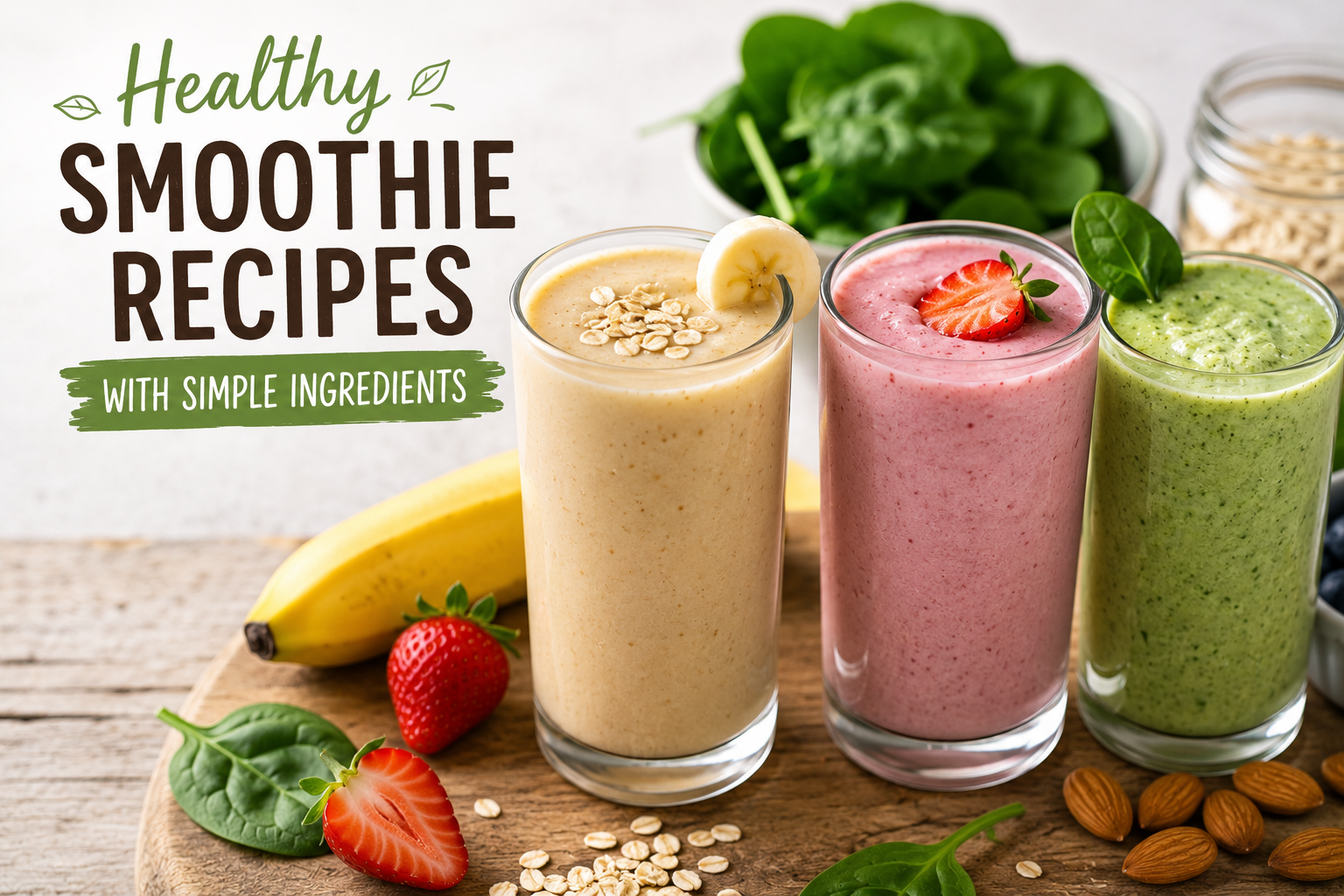
Healthy smoothies have become a popular choice for consumers looking for quick and easy meals or snacks. With just a few common ingredients and a blender, you can easily make a refreshing and delicious drink. Blend fruits, vegetables, and other common ingredients into a nutritious and balanced smoothie, perfect for a busy morning or an afternoon break.
One of the reasons for the smoothie’s popularity is its versatility. You can combine different types of fruit, vegetables, liquids, and ingredients in various ways to create smoothies with different flavours and textures. Some prefer a thick banana smoothie, while others opt for a refreshing combination of berries, leafy greens, or citrus fruits.
Moreover, making smoothies yourself is incredibly convenient. Most smoothies require only a few ingredients and are ready within minutes. Whether you want a quick breakfast, a light meal, or part of a main meal, a smoothie is a handy and easy way to enjoy a variety of ingredients.
Why Simple Smoothies Are Popular for Everyday Nutrition
Smoothies have become a popular daily choice because they are quick to make and very flexible. With just a blender and a few simple ingredients, you can create various flavour combinations to suit your personal preferences and schedule.
People love making smoothies because:
- They are easy to make
- The ingredients are easy to combine
- The flavors are customizable
- Perfect for busy mornings
- You can easily add fruit and vegetables to them
- They are suitable as breakfast or a snack
Smoothies are very versatile and therefore suitable for different seasons. In the summer, refreshing fruit smoothies are ideal, while on cool mornings, thick oatmeal smoothies or yoghurt smoothies are more satisfying.
Basic Ingredients Commonly Used in Healthy Smoothies
Healthy smoothies are usually built around a few simple ingredient groups. Combining fruits, vegetables, liquids, and optional add-ins helps create balanced flavour and texture.
Fruit Options
Fruits are commonly used as the base of smoothies because they add natural sweetness and texture.
Popular options include:
- bananas
- berries
- mangoes
- apples
- peaches
Frozen fruit is also commonly used because it creates a thicker and colder smoothie without needing much ice.
Vegetable Additions
Vegetables can add freshness and variety while blending well with fruit-based ingredients.
Common vegetable additions include:
- spinach
- kale
- cucumber
- carrots
Leafy greens are especially popular because they blend smoothly into many fruit combinations.
Liquid Bases
Liquid ingredients help smoothies blend properly and affect both flavour and consistency.
Popular choices include:
- milk
- almond milk
- yogurt
- coconut water
- plain water
Using different liquid bases can slightly change the richness or texture of the smoothie.
Optional Additions
Additional ingredients are often used to create a thicker texture or extra flavour.
Examples include:
- chia seeds
- oats
- peanut butter
- flaxseeds
- cinnamon
These ingredients can help make smoothies feel more balanced and satisfying.
Kitchen Tools Needed
Making smoothies at home usually requires only a few basic kitchen tools.
- blender
- measuring cups
- knife
- cutting board
- serving glass or jar
Optional but useful tools include:
- reusable smoothie straws
- storage jars with lids
- ice cube trays for frozen fruit
Having ingredients prepared before blending can also make the process faster and easier.
Tips for Making Better Homemade Smoothies
Small adjustments can improve the texture, flavour, and consistency of homemade smoothies.
Helpful tips include:
- balance thick and liquid ingredients
- avoid adding too many ingredients at once
- use frozen fruit for thicker texture
- blend leafy greens thoroughly
- taste before adding sweeteners
Another useful tip is to start with smaller amounts of liquid and gradually add more if needed. This helps avoid smoothies becoming too thin.
Healthy Smoothie Recipe Ideas
There are many smoothie combinations that use simple ingredients while offering different flavours and textures. These ideas are beginner-friendly and easy to customise.
Banana Oat Breakfast Smoothie
A banana oat smoothie is a practical breakfast option because it combines simple ingredients with a naturally filling texture. Bananas blend smoothly with oats, while milk or yoghurt creates a creamy consistency. Cinnamon or nut butter can also be added for extra flavour.
Berry Yogurt Smoothie
Mixed berries paired with yoghurt create a refreshing smoothie with bright flavour and smooth texture. Strawberries, blueberries, and raspberries all work well together, especially when blended with plain yoghurt and a splash of milk.
Green Spinach Smoothie
Spinach smoothies are popular because spinach blends easily without overpowering the flavour. Combining spinach with banana and cucumber creates a lighter smoothie that feels fresh and simple. Frozen fruit can also help improve texture.
Peanut Butter Banana Smoothie
Peanut butter and banana create a creamy smoothie with balanced texture and rich flavour. Milk, yoghurt, or oats can be added depending on how thick or filling the smoothie should be.
Tropical Mango Smoothie
Mango smoothies are known for their naturally smooth texture and bright flavour. Mango blended with yoghurt and a splash of citrus juice creates a refreshing tropical-style smoothie suitable for warm mornings or afternoon snacks.
Apple Cinnamon Smoothie
Apple slices blended with oats, cinnamon, and yoghurt create a smoothie inspired by warm breakfast flavours. This combination works especially well during cooler seasons and can be adjusted with different spices or toppings.
Common Smoothie Mistakes to Avoid
Although smoothies are simple to prepare, a few common mistakes can affect texture and flavour.
- adding too much liquid
- overusing sweeteners
- blending for too little time
- combining too many strong flavors
- skipping protein or fiber ingredients
- using overly ripe produce
Another common issue is relying too heavily on fruit alone. Including ingredients like oats, yoghurt, seeds, or nut butter can help create a more balanced smoothie.
Ways to Add More Protein or Fiber
Protein and fibre ingredients are often included in smoothies to improve texture and create more balanced meals or snacks.
Protein Additions
Popular protein-rich additions include:
- Greek yogurt
- nut butter
- cottage cheese
- protein powder
These ingredients can also make smoothies creamier and more filling.
Fiber Additions
Fibre-rich ingredients are commonly used to improve texture and variety.
Examples include:
- oats
- chia seeds
- flaxseeds
- berries
Combining protein and fibre ingredients can create smoothies that feel more satisfying without needing complicated recipes.
Smoothie Meal Prep Tips
Meal prep can make smoothie preparation much faster during busy mornings.
Preparing Smoothie Packs Ahead of Time
Pre-portioning fruits and vegetables into freezer bags or containers makes smoothie preparation more convenient. Ingredients can simply be added to the blender when needed.
Storing Smoothies Properly
Smoothies are generally best enjoyed fresh, but they can also be stored in airtight containers in the refrigerator for a short period if needed.
Best Containers for Smoothies
Reusable jars, insulated bottles, and sealed containers work well for transporting smoothies while helping maintain freshness.
Frequently Asked Questions
Can I replace my breakfast with a smoothie?
If the smoothie contains a variety of ingredients, such as fruit, some protein, healthy fats, and fibre-rich ingredients like oatmeal or seeds, then it is a good choice for breakfast.
What fruits blend best together?
Bananas and berries, mangoes and peaches, and apples and cinnamon are all delicious fruit combinations. Combinations of sweet and sour fruits usually create a balanced flavour.
How do you make a thicker smoothie?
For a thicker smoothie, you can use frozen fruit, yoghurt, oatmeal, or chia seeds and reduce the amount of liquid.
Can smoothies be kept in the refrigerator overnight?
Yes, smoothies can be kept in an airtight container in the refrigerator overnight, but the texture may change slightly. Shaking or stirring before drinking helps maintain the thickness.
Conclusion
Healthy smoothie recipes with minimal ingredients offer a convenient and flexible way to quickly prepare meals or snacks at home. Smoothies come in a wide variety of flavours, have a balanced composition, are easy to make, and are simple to adapt to different lifestyles and preferences. Homemade smoothies are quick and effortless to prepare and suitable for daily consumption. They can be made with ingredients such as fruit, vegetables, oatmeal, yoghurt, or nuts, resulting in a wide selection of flavours.

Arman Haleem is a passionate food content writer dedicated to simplifying everyday cooking. With a focus on practical recipes, budget-friendly meals, and time-saving kitchen strategies, Arman creates content that fits real-life routines. His approach centers on making healthy eating more accessible without adding complexity. Through Recipe Harbor, he aims to help readers build sustainable cooking habits and feel more confident in the kitchen, regardless of their experience level.