
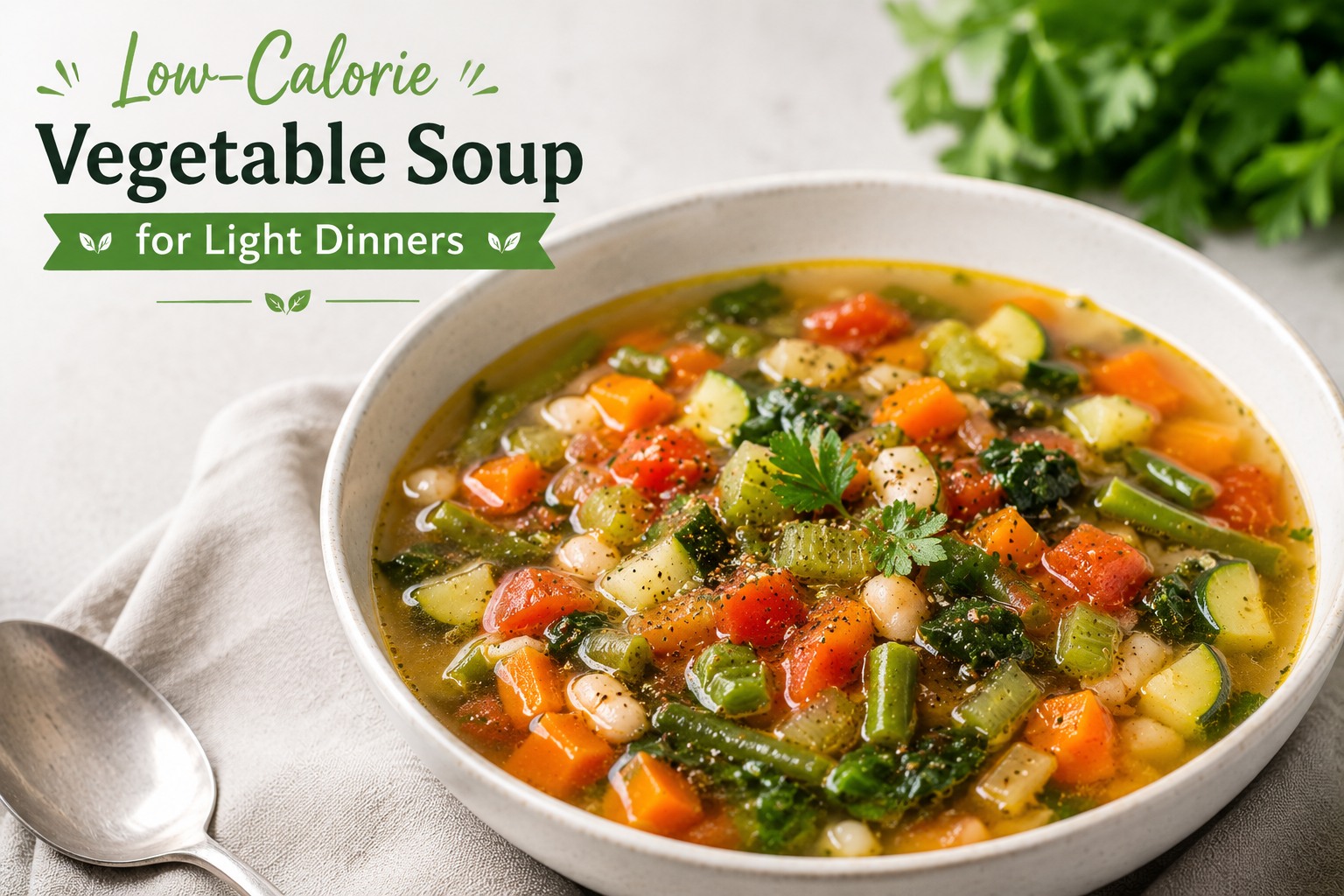
After a busy day, there is nothing as comforting as a bowl of warm vegetable soup. Made with fresh vegetables, herbs, and a light broth, this simple dish is delicious, nutritious, and filling. Vegetable soup is low in calories and therefore particularly suitable for evenings when you want something light but do not want to compromise on texture or taste.
A major advantage of vegetable soup is its versatility. You can use different vegetables to create a variety of flavours, colours, and textures, and it is easy to adapt them to the season or your personal taste. Some people prefer large chunks of vegetables, while others prefer a softer, more delicate broth. Either way, it makes for a heartwarming and delicious meal.
Vegetable soup is simple to make and use, making it a perfect fit for a busy daily life. Many vegetables can be prepared in advance, and the soup itself is simple to store for later use. Warm and nutritious, vegetable soup can be eaten on its own or with side dishes. It is suitable for any day of the week.
Why Light Vegetable Soups Work Well for Dinner
Light soups are a popular evening meal because they are filling and delicious, and do not leave you feeling heavy in the evening. Broth-based soups let the vegetables take centre stage and are also effortless to make.
Here are a few reasons to put vegetable soup on your menu:
- Lighter than fatty meals
- Easy to adapt with seasonal vegetables
- Rich in dietary fiber
- Simple ingredients, easy to make
- Tastier than greasy fried dishes
- Perfect for leftovers and meals you prepare in advance
Another advantage of vegetable soup is its versatility. You can make a light soup for a quick meal, or you can add beans, lentils, or chicken to make it more nutritious.
Nutritional Highlights of This Soup
This vegetable soup uses simple ingredients that naturally create a lighter and more balanced meal. Instead of relying on heavy cream or rich sauces, the flavour comes from vegetables, herbs, and broth.
Some general nutritional highlights include:
- lower-calorie ingredients compared to creamy soups
- vegetables rich in vitamins and minerals
- fiber from fresh produce
- broth-based texture that feels lighter
- flexible ingredients that suit different preferences
Because the soup contains a variety of vegetables, it also provides different textures and flavours in each spoonful. Combining vegetables like carrots, onions, tomatoes, and spinach helps create a richer overall taste without needing complicated ingredients.
Ingredients You Will Need
This recipe uses common kitchen ingredients that are easy to prepare and simple to customise.
Main Soup Ingredients
- carrots
- celery
- tomatoes
- onions
- zucchini
- spinach
- garlic
- vegetable broth
Seasonings and Flavor Additions
- black pepper
- dried herbs
- parsley
- paprika
- lemon juice
Optional Protein Additions
- beans
- shredded chicken
- tofu
- lentils
Adding optional protein ingredients can make the soup more filling while still keeping it balanced and suitable for dinner.
Best Vegetables for Low-Calorie Soups
Choosing the right vegetables can improve both flavour and texture. Some vegetables hold their shape well during simmering, while others soften quickly and blend naturally into the broth.
Vegetables That Add Texture
Vegetables with a firmer structure help create a heartier soup texture and make the meal feel more satisfying.
Examples include:
- carrots
- celery
- cabbage
These vegetables can simmer for longer periods without becoming overly soft.
Vegetables That Cook Quickly
Some vegetables require less cooking time and are usually added near the end to maintain colour and freshness.
Examples include:
- spinach
- zucchini
- peas
These ingredients help keep the soup vibrant and light.
Vegetables That Add Rich Flavor
Flavour-building vegetables are important because they create a deeper and more balanced broth.
Examples include:
- onions
- tomatoes
- garlic
Cooking these ingredients gently at the beginning helps release more flavour into the soup.
Kitchen Tools Needed
Basic kitchen tools can make preparation easier and help the cooking process stay organised.
- large soup pot
- knife
- cutting board
- ladle
- wooden spoon
Optional but helpful:
- vegetable peeler
- immersion blender
- airtight containers for storage
Having ingredients and tools prepared before cooking can make the process smoother, especially during busy evenings.
Preparing the Vegetables Properly
Preparing vegetables correctly helps improve cooking consistency and overall texture.
- Wash vegetables thoroughly before chopping.
- Chop ingredients into similar sizes for even cooking.
- Prepare softer vegetables separately from firmer vegetables.
- Measure broth and seasonings ahead of time for easier workflow.
Taking a few extra minutes to organise ingredients before cooking can help prevent overcooking and uneven texture later.
Step-by-Step Soup Instructions
Cooking the Aromatics
- Heat a small amount of oil in a large soup pot over medium heat.
- Add chopped onions and garlic.
- Stir gently until fragrant but not browned.
- Allow the vegetables to soften slightly before adding other ingredients.
Cooking aromatics slowly helps build flavour without making the soup too heavy.
Adding the Vegetables
- Add firmer vegetables such as carrots and celery first.
- Stir evenly to coat them lightly with oil and seasoning.
- Add tomatoes and zucchini after the firmer vegetables begin to soften.
- Reserve spinach or peas for later in the cooking process.
Adding vegetables in stages helps maintain better texture.
Simmering the Soup
- Pour vegetable broth carefully into the pot.
- Bring the soup to a gentle simmer rather than a rapid boil.
- Cook until vegetables become tender.
- Add softer vegetables near the end of cooking.
- Taste and adjust seasonings before serving.
A gentle simmer allows the vegetables to cook evenly while helping the broth develop more flavour.
Common Soup Mistakes to Avoid
Small mistakes can affect the flavour and texture of vegetable soup. Avoiding these common issues can improve the final result.
- overcooking soft vegetables
- adding too much salt early
- boiling the soup too aggressively
- overcrowding the pot with ingredients
- underseasoning the broth
- adding watery vegetables too late
Another common mistake is skipping fresh herbs or acidic ingredients like lemon juice. Small finishing touches can brighten the flavour significantly.
Easy Healthy Variations
Simple ingredient changes can create different versions of the soup while still keeping it light and balanced.
High-Protein Version
Adding beans, lentils, tofu, or shredded chicken can create a heartier soup that works well for larger appetites.
Spicy Vegetable Soup
Chilli flakes, jalapeños, or paprika can add warmth and stronger flavour without changing the simplicity of the recipe.
Creamier Vegetable Soup
Blending part of the soup creates a smoother texture. A small spoonful of yoghurt can also add creaminess while keeping the soup light.
Mediterranean-Style Soup
Tomatoes, herbs, olive oil, and garlic can create a Mediterranean-inspired flavour that pairs well with fresh bread or salad.
What to Serve with This Soup
This vegetable soup works well with several light side dishes that complement the broth and vegetables.
- whole-grain bread
- side salad
- roasted vegetables
- crackers
- grilled chicken
Serving the soup with a simple side can help create a more complete dinner without making the meal feel too heavy.
Storage and Meal Prep Tips
Vegetable soup is practical for meal prep because it stores well and reheats easily.
Refrigerating the Soup
Allow the soup to cool slightly before transferring it to airtight containers. Properly stored soup can stay fresh in the refrigerator for several days.
Freezing the Soup
Many broth-based vegetable soups freeze well, especially versions containing carrots, celery, and tomatoes. Softer vegetables may become slightly softer after thawing.
Reheating Tips
Reheat the soup gently over medium-low heat. Stir occasionally to help maintain even temperature and preserve vegetable texture.
Frequently Asked Questions
Can frozen vegetables be used?
Yes, frozen vegetables work well in vegetable soup and are useful for quick preparation. They can be added directly into the broth during cooking.
How can I make the soup more filling?
Adding beans, lentils, shredded chicken, brown rice, or small pasta can make the soup more satisfying while still keeping it balanced.
Can this soup be blended smooth?
Yes, an immersion blender or standard blender can be used to create a smoother texture after the vegetables soften.
Which broth works best for vegetable soup?
Vegetable broth is commonly used for a lighter flavour, although chicken broth can also work depending on personal preference.
Final Thoughts
Low-calorie vegetable soup for light dinners is a flexible and comforting meal that combines simple ingredients with fresh flavour. With customisable vegetables, easy preparation, and a light broth-based texture, it works well for busy evenings, meal prep planning, or quiet dinners at home. Whether prepared with seasonal vegetables or pantry staples, this soup remains a practical and satisfying option for a balanced meal.

Arman Haleem is a passionate food content writer dedicated to simplifying everyday cooking. With a focus on practical recipes, budget-friendly meals, and time-saving kitchen strategies, Arman creates content that fits real-life routines. His approach centers on making healthy eating more accessible without adding complexity. Through Recipe Harbor, he aims to help readers build sustainable cooking habits and feel more confident in the kitchen, regardless of their experience level.